
Search hotels
Ideas for your next trip



Explore stays in trending destinations

Osaka
Osaka




Tips for Booking a Hotel
Tips for Booking a Hotel
No holiday is complete without the right hotel. If you're looking to plan an unforgettable trip, you'll need to find the right place to stay. Learn how Expedia can help you book the right hotel for your needs whether you're taking the family on holiday, traveling with someone special, or just taking some time away for yourself.
How to book a hotel on Expedia?
Pop your dates and destination into Expedia's easy-to-use search wizard to compare deals and book hotels at the click of a button. Play around with the handy filters to narrow down your search. Once you've found your dream accommodation, enter in your payment details, and you'll be all set for your next adventure. It's as easy as that.
What are the most important things when choosing a hotel?
When deciding where to stay and what hotels to book, it's a good idea to consider the following points:
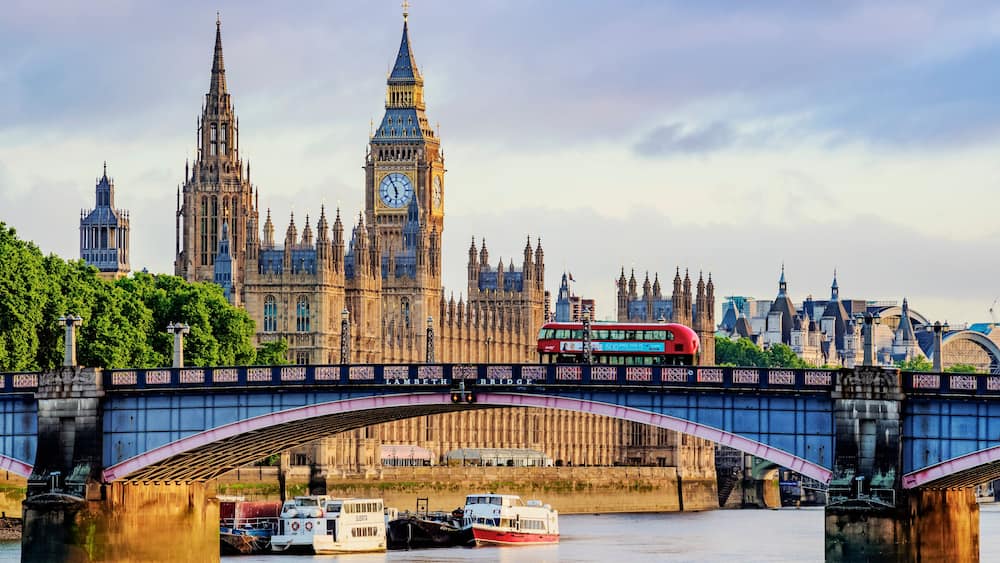
- Average cost per night. For example, hotels in London will generally cost more than hotels in Manchester and other small cities.
- Reviews. These give you an idea of the best hotel or place to stay in your destination. Keep an eye out for the green rating label in Expedia's search results, as this means the property has excellent reviews.
- Room type and inclusions. Be sure to think about what you need to have for an unforgettable stay. For example, you may want a Cornwall hotel with a sea view or a hearty breakfast included with your Dublin hotel.
How far in advance should I book a hotel?
While it varies by destination, you should generally book a hotel room between 1 and 3 months before you travel. Seasonality plays a major part in rates and availability, too. For example, United Kingdom hotels are often fully booked during the busy summer holiday months, so it's wise to reserve at least 6 months ahead when traveling at that time of year. You should also reserve well in advance if you're heading to major events. For instance, Wembley Stadium hotels should be reserved early when there are sporting fixtures or concerts taking place. The same applies for local holidays. Hotels in Amsterdam, for example, get booked out early for 'King's Day' festivities, while hotels in Mexico can be hard to come by for 'Day of the Dead' celebrations.
How can I find the cheapest hotels?
Take advantage of Expedia's intuitive search wizard to land cheap hotels in Europe, North America and hundreds of other destinations. It lets you set a maximum budget so you can quickly compare the best deals within your price range. Hop over to the budget hotels page for more cheap accommodation ideas. There, you could score the best cheap hotels in England and countless more popular spots across the globe. You'll also see alternative cheap lodging options, including hostels, 2-star hotels and motels.
How can I find some of the best deals on hotels?
Download and book through the Expedia app to unlock exclusive discounts on select United Kingdom hotels and destinations worldwide. You could land significant savings on London hotels, as well as generous discounts on hotels in Blackpool and other top holiday spots. When booking in advance, you'll often score early-bird deals. That said, don't rule out last-minute offers, especially during low-season dates. Hotels in Bournemouth and other British seaside resorts often have amazing discounts outside of the school holidays.
Why should I book a hotel with Expedia?
You'll gain access to hundreds of the best deals when you book a hotel with Expedia. There are also outstanding offers on flights, car hire and many other arrangements you need to plan the trip of a lifetime. Bundle everything together, and you could score juicy package savings, too. There are also 'book now, pay later' hotels. As well as amazing deals, you'll have 24/7 access to support through the service page, giving you peace of mind while travelling.
Are hotels fully refundable on Expedia?
When you book hotels on Expedia, many let you cancel free of charge. You'll see the cancellation policy for each hotel accommodation in the search results before you make your booking. Best of all, you can tick the 'fully refundable' search filter to only view free cancellation hotels.
What types of accommodation can I find on Expedia?
You'll encounter a plethora of different lodging types on Expedia, such as charming boutique hotels in Barcelona and many more European cities. Large family-friendly and adult-only hotels in Dubai and other beach resorts are popular among those seeking a relaxing break in the sun. For even more comfort, consider all-inclusive hotels in Antalya and other summer holiday spots. This type of accommodation includes all meals and drinks, so you don't even have to lift a finger while on holiday. Bed and breakfasts, guest houses and holiday villas are just some of the other lodging types you can choose from.
Is it possible to filter accommodations based on specific amenities?
Yes, you'll find an array of filters that let you laser in on the best places to stay based on the amenities you need. Whether you need business facilities in your London City Centre hotel or are seeking relaxing spa hotels in Edinburgh, Expedia's many search filters make it easy to find the best place to stay.
How can I explore different star-rated accommodations and accommodation brands?
If you like to stay in a specific hotel, type the brand name into the search bar to see all available options. Expedia works with most of the major chains, including Novotel, Ibis and Marriott. Scroll down further, and below the search field, you'll see the filters for star ratings. Whether you're seeking 5-star hotels in Paris or budget hotels in New York, Expedia makes booking a breeze.
Are there accommodations located near popular points of interest or in specific neighborhoods?
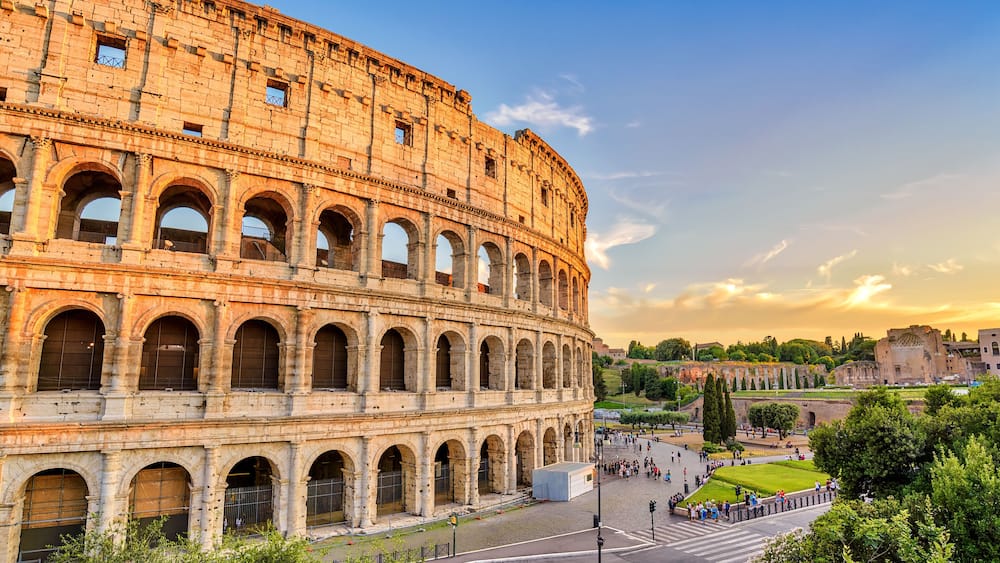
One of the great things about using Expedia's hotel booking site is that you can filter search results by area and popular locations. For example, when searching for hotels in Rome, you can select the 'Colosseum' filter to view properties near this iconic landmark. There's even a handy map so you can pinpoint the best place to stay in destinations worldwide.
Are luxury accommodations available on Expedia, and how can I book them?
If you're seeking a high-end experience, take your pick from the many luxury hotels available on Expedia. You can locate upscale lodging by ticking filters, like 5-star hotels, or ordering results by 'price high to low' and 'Guest rating + our choice'.
Do you cater to different types of travelers, such as business or leisure travelers?
Of course. When searching and booking a hotel room, you can filter by hotel and traveller type, including:
More trip options
- Yorkshire Dales National Park Hotels
- Surrey Hills Hotels
- Snowdonia National Park Hotels
- Peak District Hotels Hotels
- North Devon Coast Hotels
- New Forest National Park Hotels
- Milford Sound Milford Sound Hotels
- Loch Lomond and The Trossachs National Park Hotels
- Lake District National Park Hotel Hotels
- Grand Canyon National Park Hotels
- Forest of Bowland Hotels
- Dalby Forest Visitor Centre Hotels
- Cotswolds Hotels
- Cairngorms National Park Hotels
- Brecon Beacons National Park Hotels
Top Holiday Rental Destinations
- Holiday Rentals
- United Kingdom Holiday Rentals
- England Holiday Rentals
- Scotland Holiday Rentals
- Cornwall Holiday Rentals
- Holiday Rentals in the Cotswold
- Holiday Rentals in Lake District
- Wales Holiday Rentals
- Dorset Holiday Rentals
- Devon Holiday Rentals
- Spain Holiday Rentals
- France Holiday Rentals
- Greece Holiday Rentals
- Canary Islands Holiday Rentals
- Tenerife Holiday Rentals
- Algarve Holiday Rentals
- Tuscany Holiday Rentals
- Benidorm Holiday Rentals
Top Summer Destinations
- Hotels in Southwold
- Hotels in Oban
- Hotels in Cromer
- Hotels in Eastbourne
- Hotels in Plymouth
- Hotels in Newquay
- Hotels in Margate
- Hotels in Brighton
- Hotels in Weston-Super-Mare
- Hotels in Great Yarmouth
- Hotels in Skegness
- Hotels in Bournemouth
- Hotels in Lyme Regis
- Hotels in St Ives
- Hotels in Hastings
- Hotels in Salcombe
- Hotels in Llandudno
- Hotels in Torquay
- Hotels in Poole
- Hotels in Weymouth
- Hotels in Falmouth
- Hotels in St Andrews
- Hotels in Swanage
- Hotels in Scarborough
- Hotels in Tenby
- Hotels in Hunstanton
- Hotels in Whitstable
- Hotels in Southend-on-Sea
- Hotels in Blackpool
- Hotels in Whitby
Top Beach Destinations
- Jumeirah Beach Hotels
- Weymouth Beach Hotels
- Camber Sands Beach Hotels
- Elafonissi Beach Hotels
- Barry Island Beach Hotels
- Lara Beach Hotels
- Bournemouth Beach Hotels
- Zrce Beach Hotels
- Platja De Llevant Beach Hotels
- Margate Beach Hotels
- Southwold Beach Hotels
- Lyme Regis Beach Hotels
- Watergate Bay Beach Hotels
- Nissi Beach Hotels
- Pedn Vounder Beach Hotels
- Durness Beach Hotels
- Three Cliffs Bay Beach Hotels
- Cromer Beach Hotels
- Saunton Sands Beach Hotels
- Tenby Beach Hotels