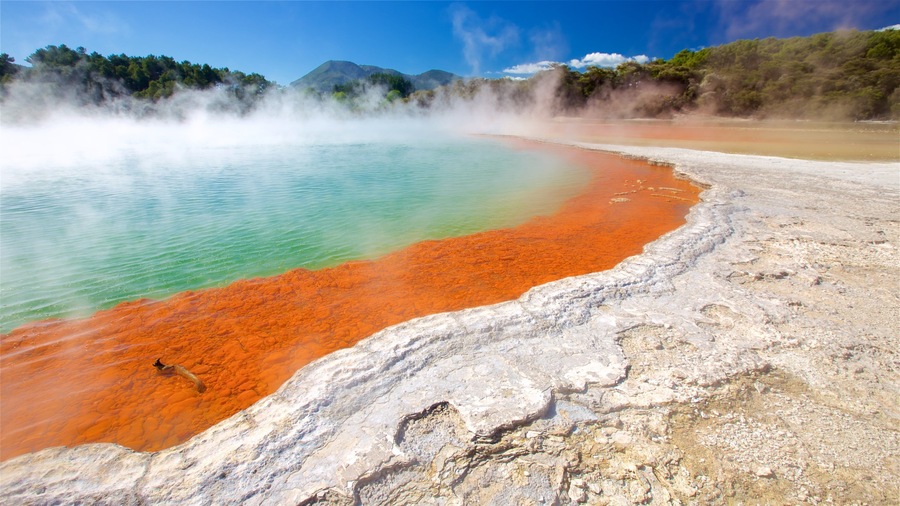
Waiotapu is a geothermal wonderland that's accessible and impressive year-round, so the "best" time really depends on your preferences for weather and crowd levels.Generally, the summer months, from December to February, offer the warmest weather and longest daylight hours, which is excellent for exploring the outdoor attractions. However, this is also peak tourist season, so you can expect larger crowds, especially around popular attractions like the Lady Knox Geyser and the colourful pools. If you're planning a trip during this time, it's a good idea to book accommodation and any guided tours well in advance.For those who prefer a more tranquil experience with fewer people, the shoulder seasons – spring (September to November) and autumn (March to May) – are ideal. The weather is still pleasant, often mild and sunny, making for comfortable exploring. You'll find the landscapes are particularly photogenic during these seasons, with autumn offering beautiful foliage in the surrounding areas.Winter, from June to August, is the quietest time to visit. While it can be cooler with a higher chance of rain, the geothermal features are just as spectacular, and the steam rising from the hot springs is even more dramatic against the cooler air. You'll likely have a more solitary experience, and accommodation prices might be more favourable.