
Province of Florence Holidays
Book a Hotel + Flight or Car together to unlock savings
- Plan, book, travel with confidence
- Better togetherSave up to £750 when you book a flight and hotel together*
- Find the right fitWith over 300,000 hotels worldwide, it's easy to create a perfect package
- Rest easyPackages with flights are ATOL protected
Your Province of Florence Holiday
Fly away on a Florence holiday package for art, culture, architecture and cuisine. The incredible works by Da Vinci, Michelangelo and more are in the Uffizi Gallery. You can breathe in rich artistic history as you wander around this beautiful city. The Vasari Corridor – a kilometre-long hidden walkway built by the Medicis in the 1500s – is an exceptional way to see the city and escape the heat. As night falls, an evening in the boho bars of Oltrarno is magical. For more full-on fun, there are some pumping nightclubs just beyond the city. Book an all-inclusive holiday to Florence and you can dance till you drop by night and indulge all day.
Top destinations in Province of Florence

Florence

Greve in Chianti
Fiesole
Montaione

San Casciano in Val di Pesa
Sesto Fiorentino
Top Province of Florence Flight + Hotel Deals
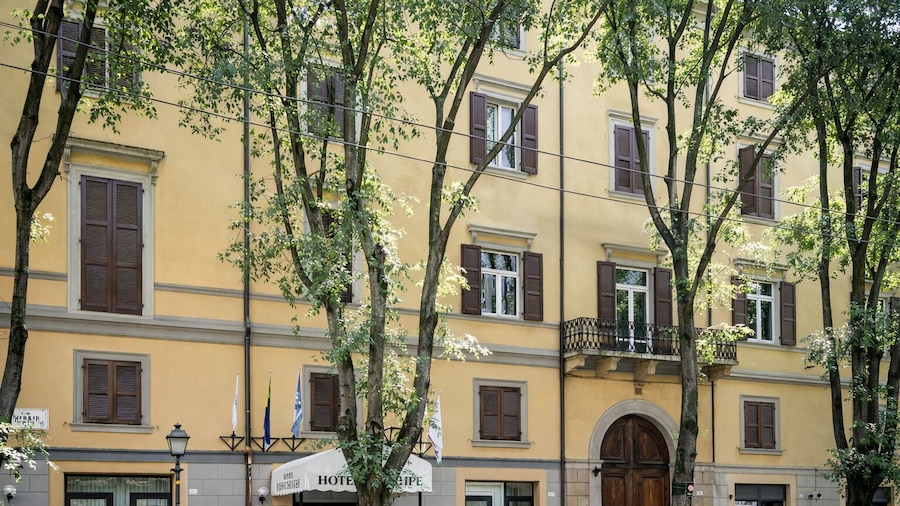
LVG Hotel Collection - Principe
Reviewed on 12 Sept 2026

The Moon Boutique Hotel & Spa
Reviewed on 13 Sept 2026

Aurum Firenze
Reviewed on 15 Sept 2026


Relais Uffizi, Tailor made Hotel
Reviewed on 15 Sept 2026
Province of Florence Essential Information
Language | Italian |
|---|---|
Currency | Euros |
Local Welcome | Ciao |
Local Goodbye | Ciao |
Closest Airport | Guglielmo Marconi Airport (BLQ) |
Population | 349,300 |
Top Sights | Boboli Gardens, Lake Bilancino and Cascine Park |
Top hotels in Province of Florence

Plus Florence - Hostel
"The indoor pool was undergoing maintenance and the outdoor pool closed at 7, not the 10pm advertised in the hostel’s messages after checking in. The restaurant advertises itself online as being flexible for gluten free/ vegetarian/ vegan. When sitting down and asking, nothing was completely gluten ..."
Reviewed on 16 Sept 2026
The Social Hub Florence Belfiore
"Staff entered room without permission to change the towel and clean bedsheets; I don’t think it’s a secure rooms if you left something outside of locker! sink jammed throughout the stay in bathroom! Room doesn’t have even a microwave not sure it’s a Europe thing or what! Also swimming pool is not ..."
Reviewed on 16 Sept 2026
The Social Hub Florence Lavagnini



Frequently asked questions
Why should I book my Province of Florence holiday with Expedia?
When is the best time of year to holiday in Province of Florence?
What are the top hotels for my holiday in Province of Florence?
How do I get a cheap holiday to Province of Florence?
What should I do on my Province of Florence holiday?
What is the best city to stay in when on holiday in Province of Florence?
Do I need a visa for my Province of Florence holiday?
What should I wear on my Province of Florence holiday?
What does an Expedia Province of Florence holiday include?
Does Expedia offer Book Now, Pay Later Province of Florence holidays?
- Pay monthly holidays: If paying in multiple transactions sounds right for you, Klarna can help. Paying in easy monthly instalments will make that dream getaway possible.
- No-deposit holidays: Pressing the "book now" button is easier with this plan. With no upfront fee for your escape, you can Book Now, Pay Later and start working on your travel plans.
Can I choose my airline with a Province of Florence Expedia holiday?
Stay near popular Province of Florence attractions
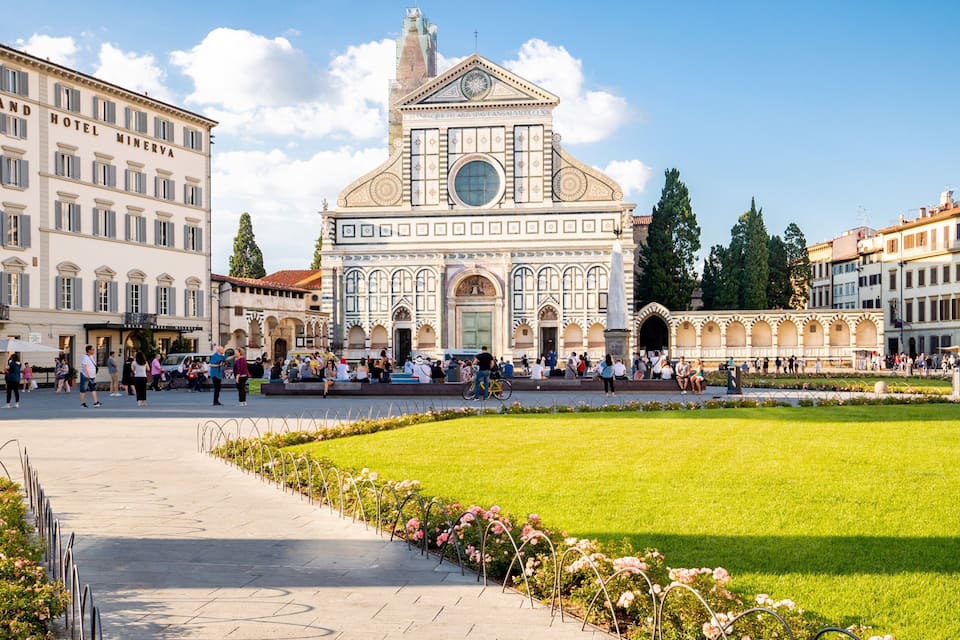
Piazza di Santa Maria Novella
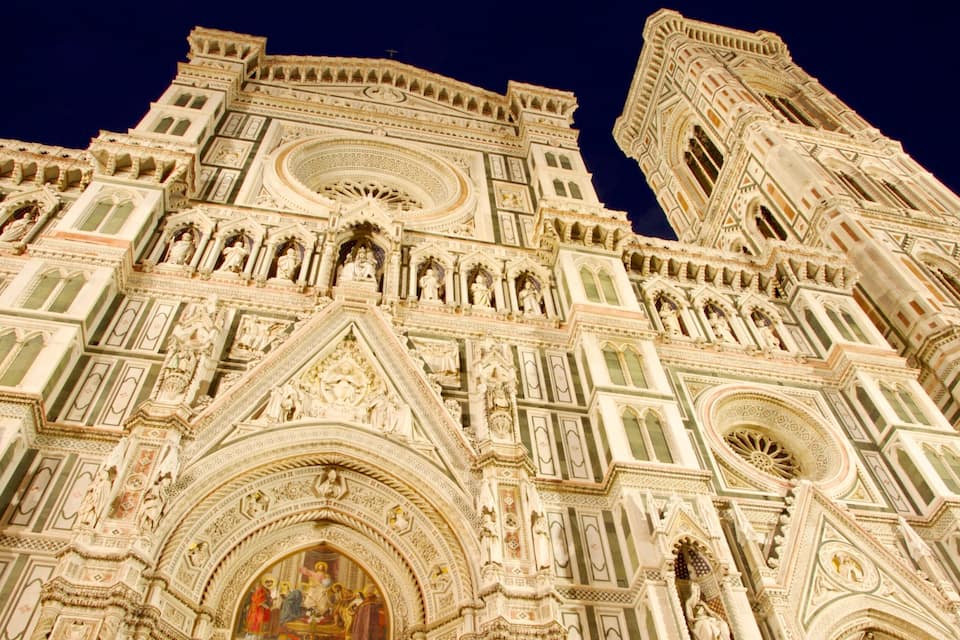
Piazza del Duomo
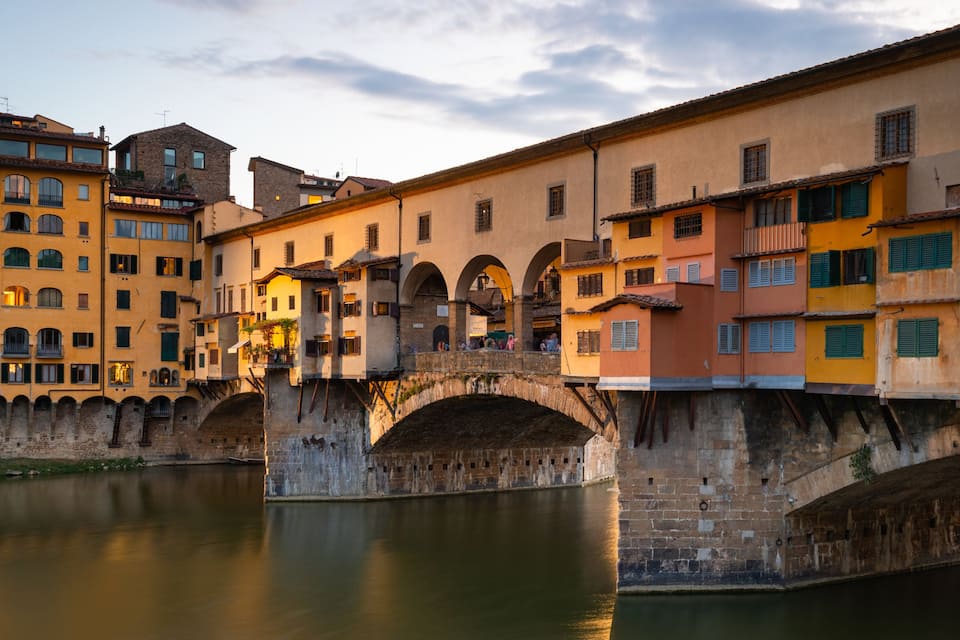
Ponte Vecchio
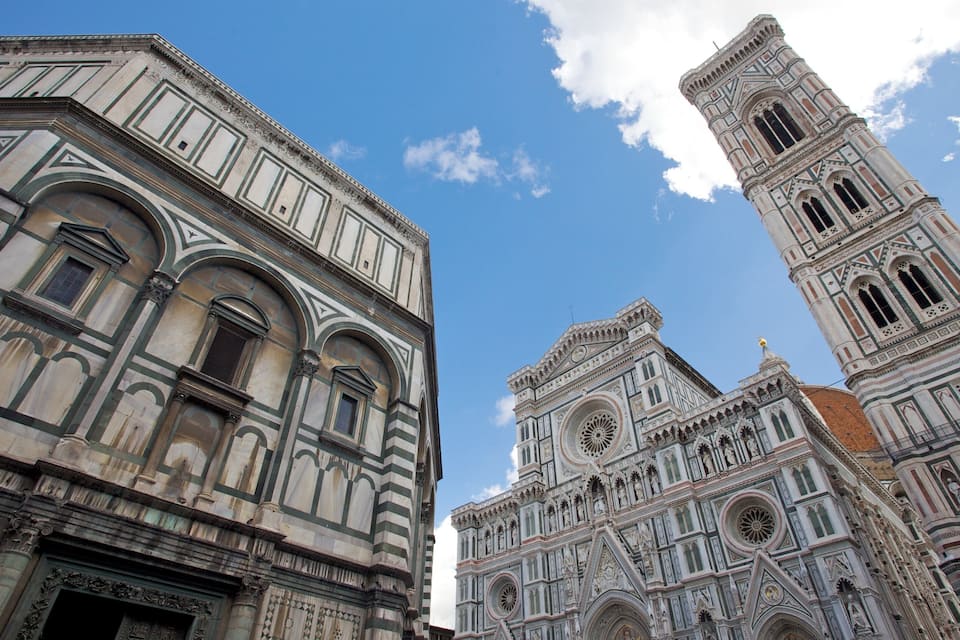
Cathedral of Santa Maria del Fiore
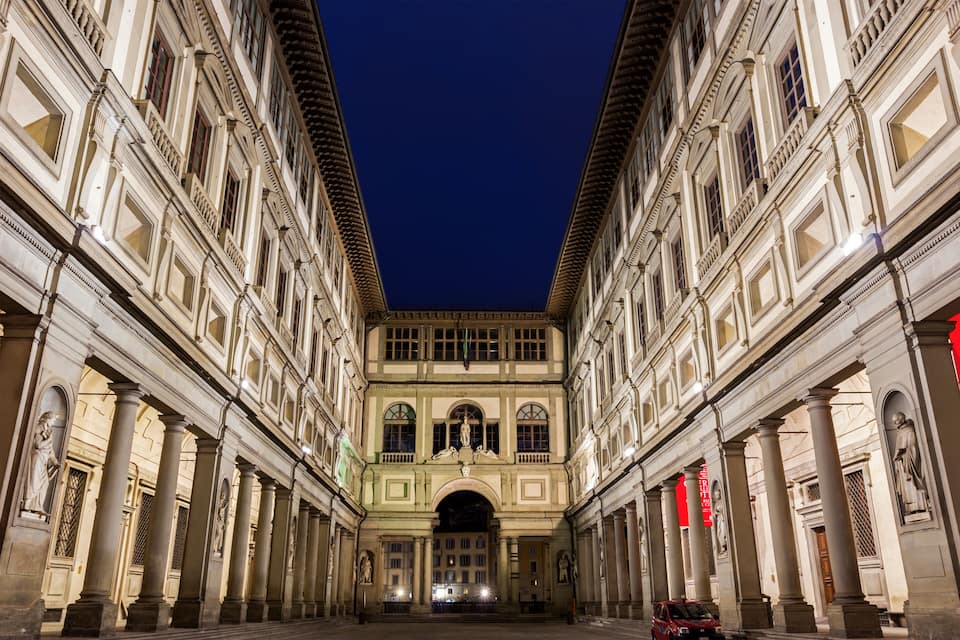
Uffizi Gallery
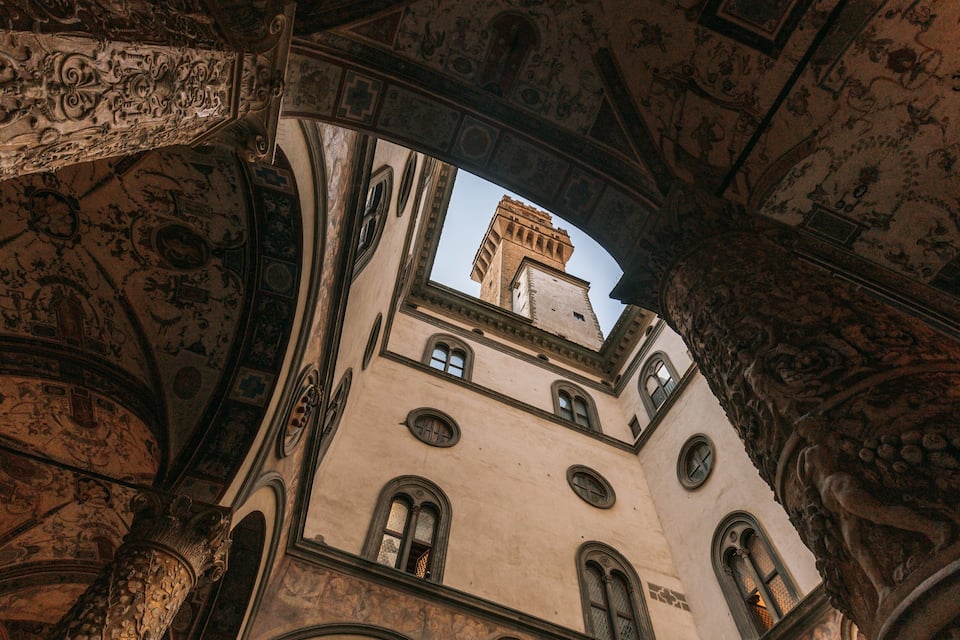
Piazza della Signoria
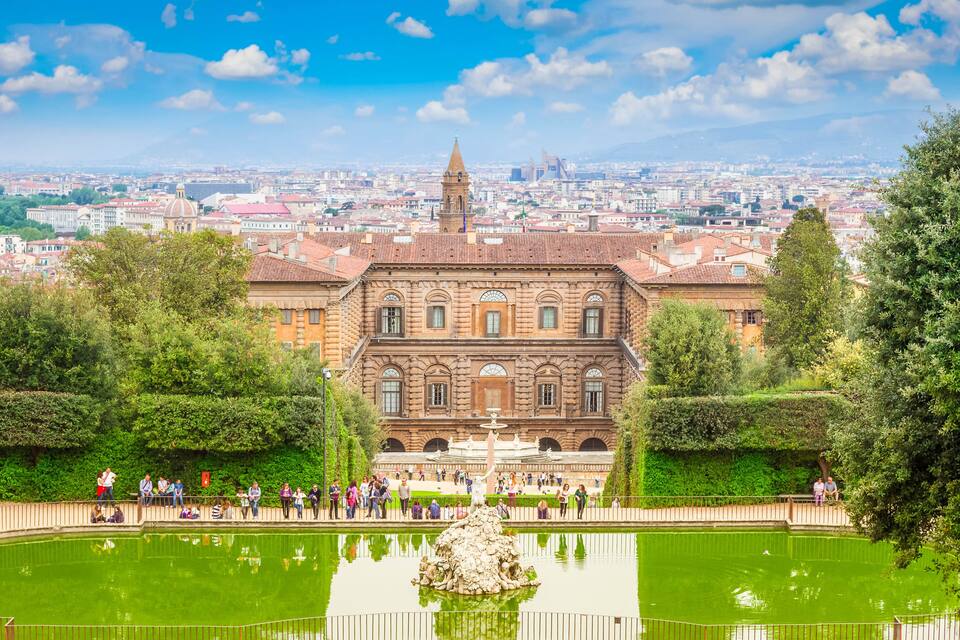
Pitti Palace
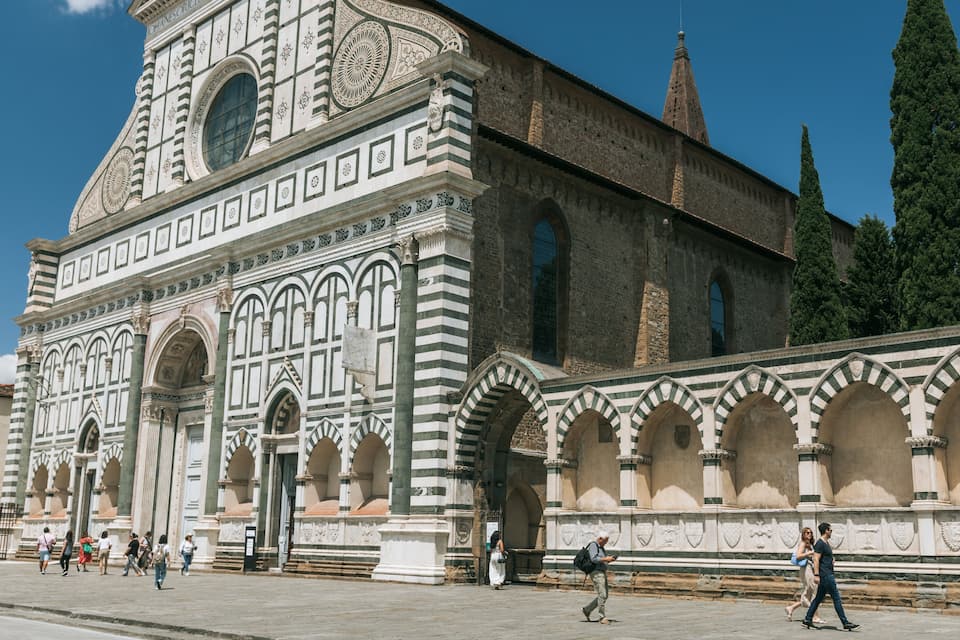
Basilica of Santa Maria Novella
What to do in Province of Florence
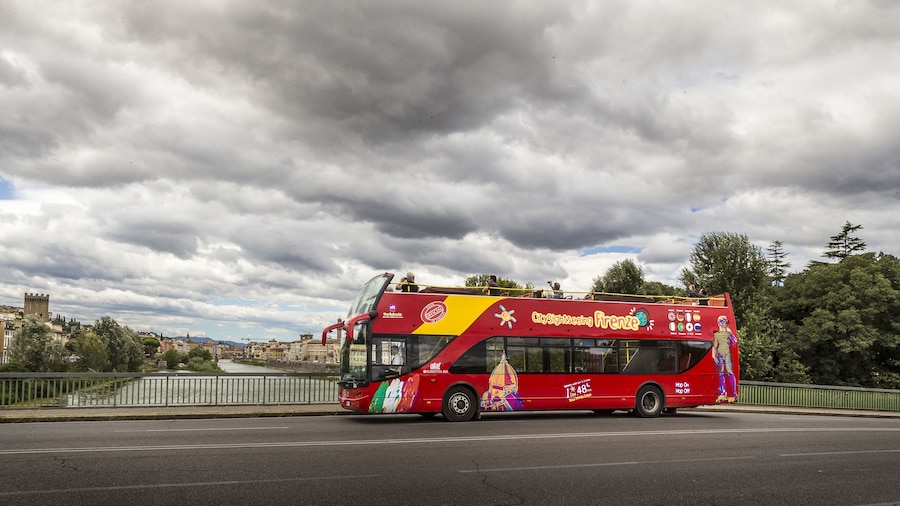
City Sightseeing Florence Hop-on Hop-off Bus Tour

Florence: Pasta & Tiramisu Cooking Class with Unlimited Wine

Accademia timed-entry Ticket with App Guide
Explore a world of travel with Expedia
- 4 Star Hotels in Florence
- 5 Star Hotels in Florence
- Beach Resorts & in Province of Florence
- Hotels with Pool in Province of Florence
- Province of Florence Hotels
- Adults Only Resorts & in Tuscany
- All-Inclusive Hotels in Tuscany
- Beach Resorts & in Tuscany
- Family-Friendly Hotels in Tuscany
- Hotels with Pool in Tuscany
- Spa Hotels in Tuscany
- Hotels with Waterpark in Tuscany
- Winery Hotels in Tuscany
- Tuscany Hotels
- Duomo Hotels
- B&B in Florence
- Capsule Hotels in Florence
- Hostels in Florence
- Adults Only Resorts & in Florence
- Il Rivalta
- All-Inclusive Hotels in Florence
- Boutique Hotels in Florence
- Cheap Hotels in Florence
- Camplus Firenze Fortezza
- Family-Friendly Hotels in Florence
- Aurum Uffizi
- Hotel Indigo Florence by IHG
- Monna Lisa
- Hotels with Balcony in Florence
- House at The Hoxton
- Luxury Hotels in Florence
- Anglo American Hotel Florence
- Plus Florence
- Romantic Hotels in Florence
- Spa Hotels in Florence
- Teatro Luxury Apartments Firenze
- The Social Hub Florence Lavagnini
- Florence Hotels
- Hotels near Florence Santa Maria Novella Station
- Historic Centre of Florence Hotels
- Serviced Apartments in Province of Florence
- Apartments in Province of Florence
- Villas in Province of Florence
- Santa Croce Hotels
- Farmstay in Tuscany
- Holiday Homes in Tuscany
- Villas in Tuscany
- Flights to Florence
- Flights to Province of Florence
- Flights to Tuscany
- Flights from Birmingham (BHX) to Florence (FLR)
- Flights from Bristol (BRS) to Florence (FLR)
- Flights from Edinburgh (EDI) to Florence (FLR)
- Flights from London (LGW) to Florence (FLR)
- Flights from London (LHR) to Florence (FLR)
- Flights from London (LON) to Florence (FLR)
- Flights from Manchester (MAN) to Florence (FLR)
- Arno River
- Careggi Hospital
- Cathedral of Santa Maria del Fiore
- Central Market
- Fiesole Holidays
- Florence Baptistery
- Florence Holidays
- Visit Florence
- Gallery of the Academy of Florence
- Gavinana Holidays
- Historic Centre of Florence Holidays
- All inclusive Holiday Packages Florence
- All inclusive Holiday Packages Tuscany
- Museo Richard-Ginori della Manifattura di Doccia
- Piazza del Duomo
- Piazza della Signoria
- Piazza di Santa Maria Novella
- Piazza Massimo D'Azeglio
- Piazza Mino
- Piazza San Marco
- Pitti Palace
- Ponte Vecchio
- Ruffino - Tenuta di Poggio Casciano
- San Lorenzo Holidays
- Santa Maria Novella Holidays
- Sesto Fiorentino Holidays
- The Garden of Archimedes
- The New Florence Opera House
- Tuscany Holidays
- Uffizi Gallery
- Via Vincenzo Gioberti
- Villa Medicea di Lilliano - Malenchini
- Vincigliata Castle
* Savings based on package bookings compared to the price of the same components booked separately. Savings not available on all packages. Flight-inclusive packages are ATOL protected.