Photos | More photos of Chiang Mai
In the south west of Thailand's largest island is the province of Phuket. It lies in the Andaman..
BangkokThailand's capital Bangkok sits at the top of the Gulf of Thailand not far from the coast. Just..
Koh ChangAround 300 Kilometres to the south-east of Bangkok in the eastern part of the Gulf of Thailand lies..
KrabiOn the south eastern coast of Thailand the province of Krabi is one of the brightest stars in the..
KanchanaburiJust over 100 kilometres to the west of Thailand's capital Bangkok, the province of Kanchanaburi is..
Sam Roi Yot National ParkJust a little to the south of Hua Hin with the Gulf of Thailand along its eastern flank, the Sam..
Khao LakOn the shores of the Andaman Sea around 100 kilometres north of Phuket, the Khao Lak area is a..
AyutthayaLooking like a city thrust from the underworld, peopled by headless buddhas and caught at the last..
Patong BeachThe most developed beach of Thailand's most developed tourism island, Patong Beach is a lively..
Hua HinJust under 300 kilometres south of Bangkok on the west of the Gulf of Thailand, Hua Hin is..
Chiang Mai Video | Chiang Mai Photos
scenic, hiking, religious/spiritual, heritage/history, culture, markets
Thailand's northern capital Chiang Mai is 700 kilometres from Bangkok among the mountainous regions of the country's far north. The very name Chiang Mai conjures images of mystical mountains and elaborate temples, and the city is certainly regarded by most Thais as one of the most spiritually important centres in the country.
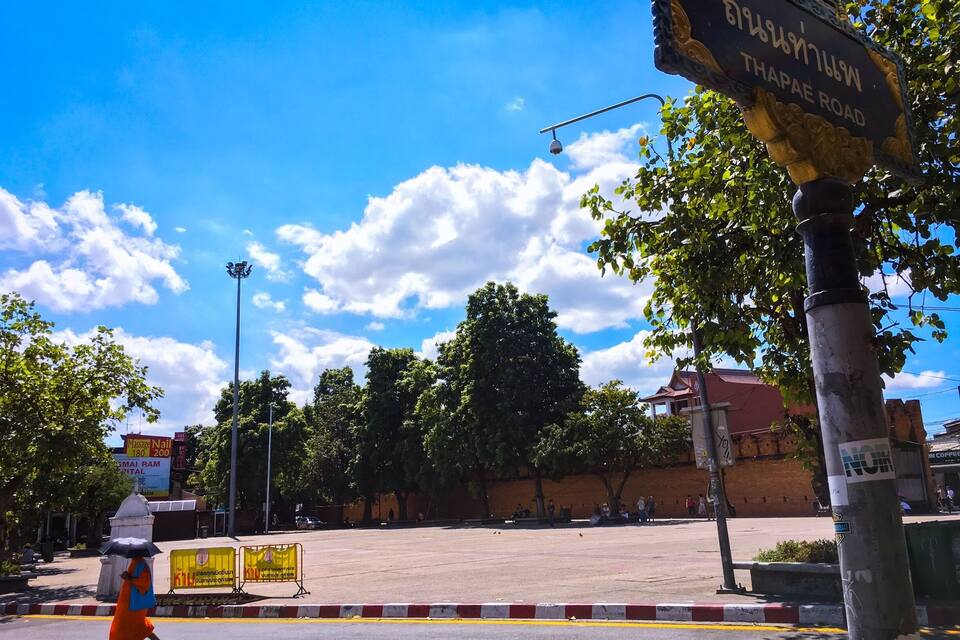
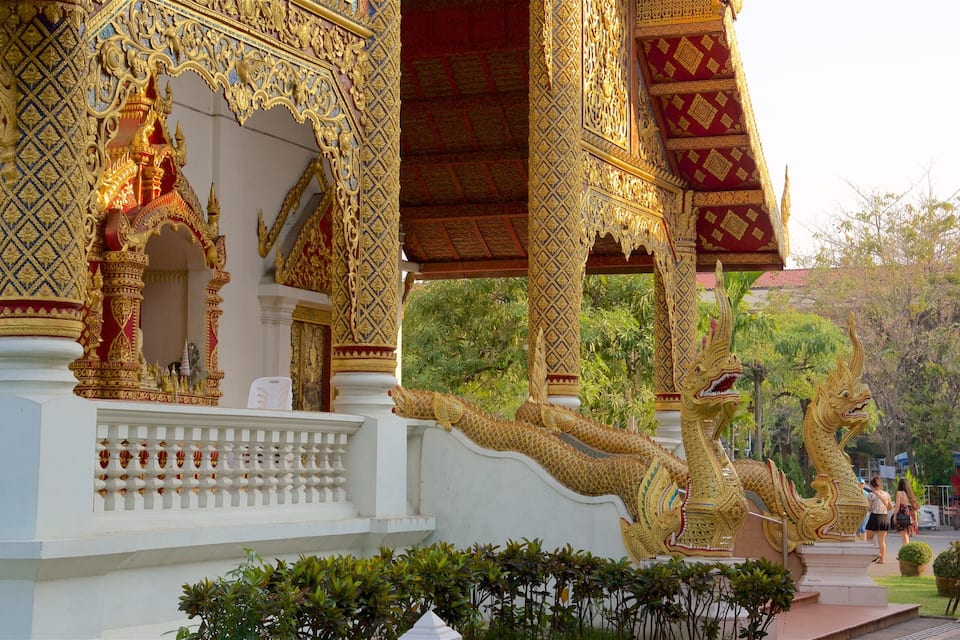
For many, the first experience at travelling to Chiang Mai is anything but mystical. It's a modern and busy city with all the modern amenities catering to tourists, locals and business visitors. If you look a little harder though, Chiang Mai has managed to retain many of its traditions and there are more than 300 Buddhist temples dotted around the city. The central Old Town has nothing higher than a few stories and has vestiges of its original city walls, four historic city gates and a surrounding moat. It's a fascinating place to wander with traditional chedis (Buddhist pagodas) sitting beside internet cafes and trendy hotels.
Although used traditionally as little more than a base for exploring the mountainous regions of Thailand's north, tourists have begun to discover the city itself has much more to offer. It is interesting and diverse with an intriguing mix of the traditional and the modern, of beguiling scenery and cultural fascinations. The locals in Thailand's northern capital are gracious and friendly and provide an atmosphere of welcome that percolates through the city like a lovely scent. The historical roots of Chiang Mai are evident in the architecture, traditional dance performances, and hand-made crafts of silver, wood and silks, which for tourists can become timeless souvenirs.
All around the city the natural environment beckons with mountains, thick jungles, waterfalls and wildlife.
Chiang Mai has long been loved by Thais, and travellers from around the world are finally discovering why.
Chiang Mai's history began when it was founded in the dying years of the 13th century by the Thai King Mangrai. It later became the capital of the Lanna Kingdom and this period contributed significantly to its growth and the establishment of many of the temples. In the middle of the 16th century it was captured by the Burmese who occupied the city for more than two centuries until it was finally relinquished back to Thailand towards the end of the 18th century. After its reintegration into Thailand, it became a central trading city and further development of temples took place, many of which were heavily influenced by Burmese traders and merchants who lived in the city.
Chiang Mai was an arduous journey from any part of Thailand until the railway was built into the city in 1921. The city was all but isolated from the rest of Thailand until then, only being reachable by a long river journey or by Elephant. This is part of the reason it has retained its own unique culture and heritage - it even has its own version of the Thai language.
In the 1900's Chiang Mai became more integrated with Siam (Thailand) and was a centre for the production of crafts. Tourism grew steadily and by 1970 became the main income earner. Significant investment flowed into the city and when a local became the Prime Minister in 2001 further focus was placed on the city. Today it is a modern city, but one with an ancient heart.
One of the most loved things about Chiang Mai is the local people. Wandering the old town is a great way to relax into the city and discover some of its charms that cannot be pointed to or put on a map. Take the time to interact with the locals at the wonderful markets, experience some of the great food from the street stalls and take a break from the guide book to just follow your nose.
Another of the main attractions of Chiang Mai is its rich culture and heritage and there are plenty of museums in the city where the history of the north is told. Check out the Chiang Mai City Art and Cultural Centre which has modern exhibits about the region's history with impressive multimedia installations. The hill tribes of the north are the subject of the Hill Tribe Research Institute Museum. There is even a museum dedicated to the insect world at the Museum of World Insects and Natural Wonders.
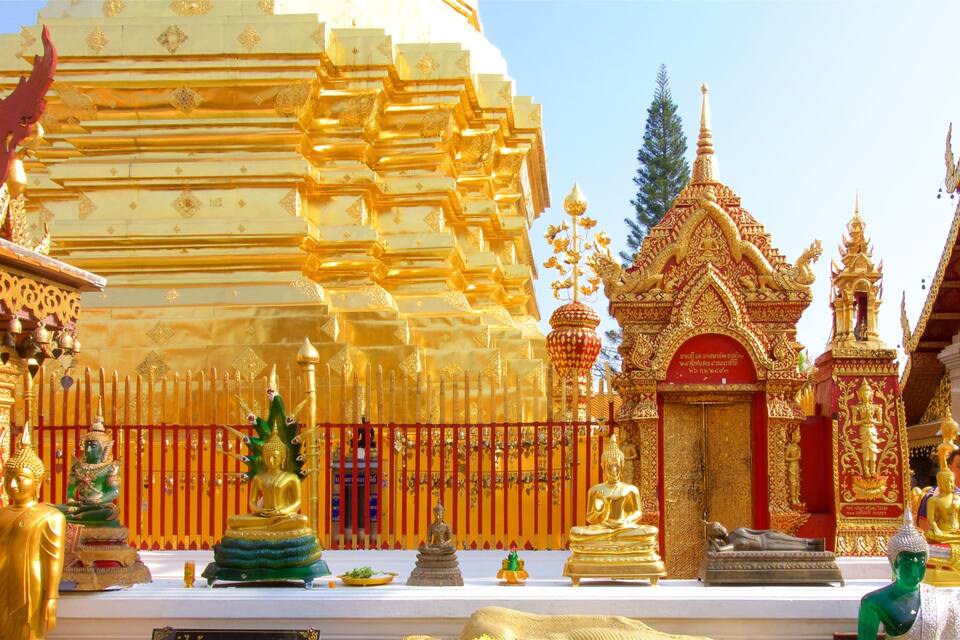
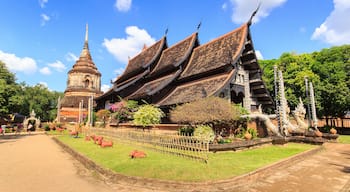
Of course you can experience Chiang Mai's cultural heritage by visiting its preserved old buildings and temples on foot. The old city gates, the moat and remnants of the city walls are all still visible. There are also several original temples around the city, including the Wat Phra Singh which was built in the late 1300's. Several others in the style of the Lanna Kingdom can also be explored. Just outside the city the most famous temple in the region is Wat Phrathat Doi Suthep, which is on the top of Mount Suthep 18 kilometres from Chiang Mai. This famous temple was built in 1383, and as well as being beautifully preserved and an impressive complex, it also has a great view from the top. Some visitors travel to Chiang Mail to study Buddhism and several of the temples run courses on meditation and instruction on Buddhism, the Doi Suthep temple among them.
One of the more famous aspects to the city and the region are the elephants. There are a number of elephant parks within an hours drive of the city. These camps are sometimes controversial, but one of the best is the Baanchang Elephant Park where the animals are very well treated.
The environment around Chiang Mai is a huge drawcard and outdoor adventure activities are a big part of it. Travellers can take part in river cruises and rafting, mountain biking and even elephant rides through the jungle trails. Rainforest canopy tours are also on offer in the region and you can experience a full days adventure in the mountains outside Chiang Mai, exploring waterfalls, hiking through dense forests and zip-lining in the canopy of old growth rain forests.
A more cultural option but which still gets you into the environment is a tour through some of the remote hill tribe villages. If you want to do this be sure to do some research as some of the tours on offer will not be much of an insight into the real life of these people and are little more than a quick visit to a village where the locals are looking for an opportunity to sell you some trinkets. You are far better going further afield and partaking in a tour where you spend one or two nights in one of the villages and you will have a much more authentic experience.
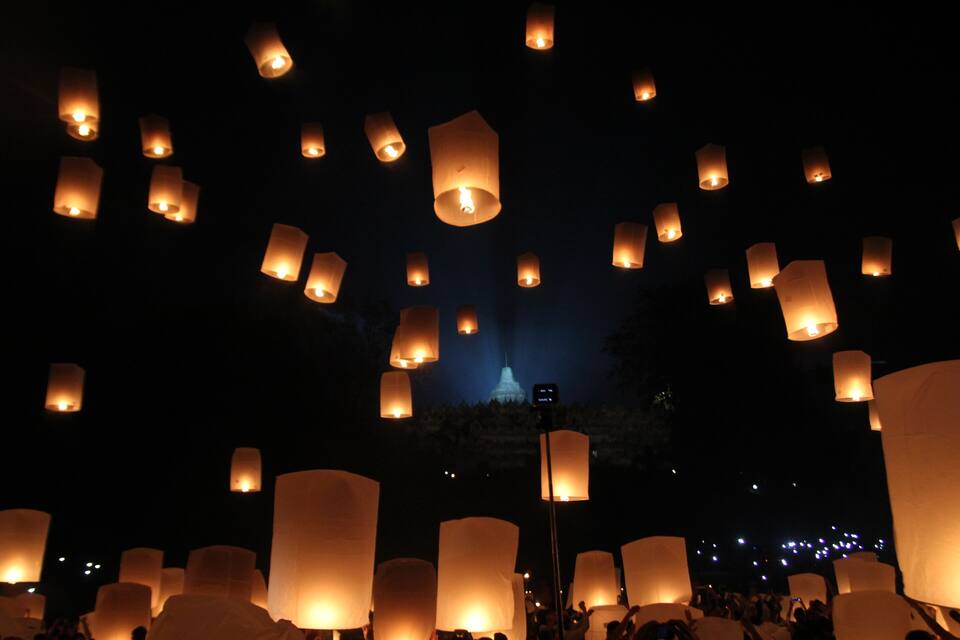
Several festivals are held each year with one of the best being the Chiang Mai Flower Festival, which features an impressive parade when the whole city seems to be decorated with bright and colourful blooms.
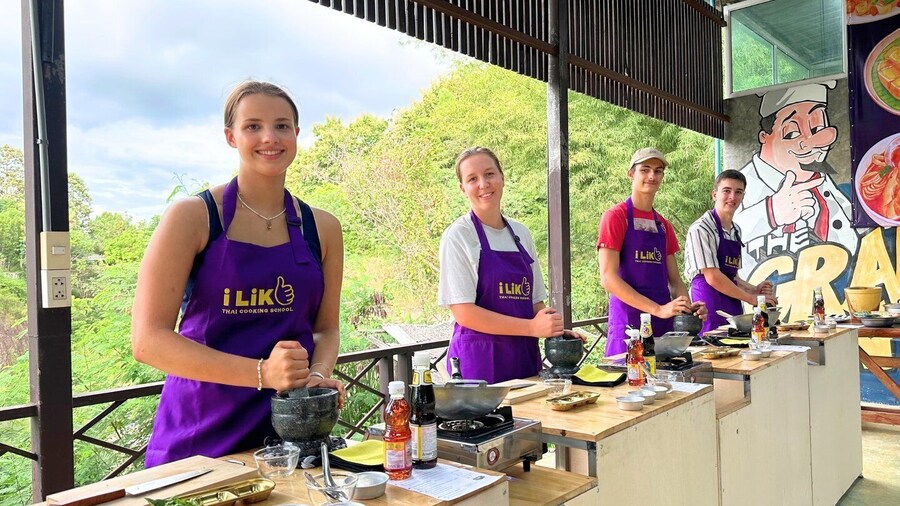
Chiang Mai is these days a large city and you can dine in any number of restaurants serving Thai food or international cuisine, or both.
Try some Lanna-style food with 'hang lye', a style of pork curry or some 'khi soi', a tasty soup served with flat noodles and chicken or beef and served with a paste made from limes, chilli and vegetables that you add to your own taste. There are a few restaurants that serve the traditional foods (including one that specialises in 'khi soi') but the best idea is to get it from the night markets.
Chiang Mai | Explore Full Chiang Mai Map
Chiang Mai has an international airport which also handles domestic flights, with plenty of flights to Chiang Mai daily from Bangkok. Several airlines carry passengers direct to Chiang Mai, including from Taipei, Laos, Singapore and Kuala Lumpur.
It is possible to catch the train from Bangkok but the journey takes 12 - 15 hours, so it is a good idea to consider a sleeper if you are contemplating this. There are two services daily which leave from Hualamphong station. Similarly buses also operate from Bangkok and take a similar length of time.
Once you are on the ground the wider city is well serviced by songthaews (covered pickups converted to mini-buses) that travel fixed routes in many cases, and some which you will need to tell the driver where you are going and get it added to the route (and negotiate the price).
Taxis are available but you normally need to ring and book. Most drivers will be reluctant to use the meter, if they won't then agree on a price before you head off.
Tuk-tuks are pretty quick but very noisy, however if you can stand the noise and don't mind haggling a price then hail one down and tell them where you want to go.
If you are the adventurous type then you can hire a motorbike or moped and set forth bravely into the city. Be careful doing this because the bikes offered may be mechanically unsound, short of fuel or both. Be sure to check the brakes will stop you convincingly and the indicators and lights work properly. For car hire in Chiang Mai the same advice applies.
A better option if you want to get out and about in the region is to hire a driver with a car or minivan, this is often just as cheap and much more relaxing (relatively speaking). Most hotels will be able to help out with arrangements as well as tour tickets if you want to go on a pre-arranged tour.
Chiang Mai is warm to hot throughout the year. The warmest period is from March to June when high temperatures hover around the mid 30s (°C) while the rest of the year has daytime temps in the high 20s to low 30s. It rarely gets cold at night with just a bit of a chill in the air in December through to February. Most of the rain comes in the middle of the year from May through to September, while other parts of the year are usually quite dry.
If you are in Chiang Mai for the Songkran Festival you will get wet. This is the annual water festival during which time everyone will throw a bucket of water at you or blast you with a water pistol from the back of a pickup - no matter what you're wearing. Remember that it's a blessing of good luck though, and it's hard to be annoyed when you notice the look of fun and glee on their faces. Make sure to keep your mouth closed however as even the smallest amount of water can bring on a nasty bout of gastro that can put you on your back for a couple of days.
Chiang Mai is a big city these days and there are plenty of options to suit most budgets. Chiang Mai accommodation can range from a pretty standard room in a high rise hotel to a boutique resort in the jungles around the city. Many Chiang Mai hotels, especially the smaller ones feature traditional design elements, both outside and in to add to the experience.