
Wildlife watching in Panama: A spotter’s guide
Explore lush rainforests, mountains and twin oceans with our spotter’s guide to wildlife watching in Panama. Learn when and where to find canopy mammals, marine giants and tropical birds
Dive into our spotter’s guide to wildlife watching in Panama to discover where, when and how to experience the area’s one-of-a-kind natural wonders. As a literal land bridge between continents, Panama serves as a vibrant ecological corridor where North and South American species converge. Here, wildlife spotters get a front-row seat to some of the most fascinating animal sightings on Earth. Whether you’re dreaming of locking eyes with a sloth, diving alongside oceanic giants or listening to the dawn chorus in a world-class birding paradise, this unique corner of the globe delivers raw, untamed adventures at every turn. Navigating this wild paradise is easy with our Panama travel guides. An excellent selection of eco-lodges and luxury hotels in Panama ensures you can return to complete comfort after a thrilling day in the field. Read on and get ready to check off your ultimate wildlife bucket list.
What to see
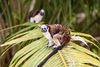
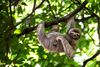
For hardcore wildlife enthusiasts and casual spotters alike, Panama’s unparalleled biodiversity guarantees memorable wildlife encounters, from massive mammals to the tiniest amphibian. Look up into the emerald canopy and you are bound to spot land mammals. Two- and three-toed sloths lounge lazily in cecropia trees, while curious Geoffrey’s tamarin monkeys and vocal mantled howlers leap effortlessly through the branches. Beneath them, majestic keel-billed toucans, brilliant trogons and rare motmots glide through the air, flashing a kaleidoscope of feathers that cements Panama’s reputation as a world-class birding paradise.
Down on the forest floor, you might see green iguanas and basilisk lizards basking in the sunbeams, while dazzling frogs hop through the damp leaf litter like tiny, colourful jewels. If you explore the misty cloud forests at dusk, you might even hear the enchanting chorus of rare glass frogs echoing through the trees.
Panama’s wild magic doesn’t end at the shoreline; its marine life is equally legendary. Peer into the pristine coastal waters to watch colourful tropical fish swim by and pods of resident bottlenose and pantropical spotted dolphins surf the bow wakes of passing boats. Depending on the season, your coastal excursions could even yield sightings of humpback whales breaching on the horizon.
Where to go
The top locations across Panama for wildlife watching range from lush volcanic craters and ancient marine reserves to a rainforest hidden right inside the capital city. These top hotspots provide unmatched opportunities to track down rare birds, unique land mammals, vibrant amphibians and ocean giants across the country.
Easily accessible wildlife watching for urban explorers
Metropolitan Natural Park (Panama City) is one of the very few tropical forests located right within a capital city’s limits, just 15 minutes from downtown. Here, you can spot Geoffrey’s tamarin monkeys, two- and three-toed sloths, white-nosed coatis and forest-dwelling rodents called agoutis. You might even catch a rare glimpse of a nocturnal night monkey. The park is home to over 220 bird species, including stunning keel-billed toucans, parrots, lance-tailed manakins and migrating raptors.
Best for marine and coastal animal spotters
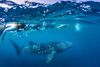
Coiba National Park (Gulf of Chiriquí), nicknamed “Galápagos of Central America”, is a renowned marine sanctuary. You can snorkel or dive alongside humpback whales (July–October), whale sharks, manta rays, scalloped hammerhead sharks and several species of sea turtles. Multiple species of dolphins are often seen leaping alongside boats. It’s also one of the few places on earth to see the endemic Coiba Island howler monkey and Coiba agouti. Reaching Coiba requires travelling to the remote coastal town of Santa Catalina, followed by an hour-long boat ride into the marine reserve.
Bird watcher’s paradise
Soberanía National Park and Pipeline Road (Gamboa) is a world-class birdwatching mecca with about 400–500 recorded bird species. Walking the famous Pipeline Road or ascending the 100-foot (30 m) tower at the Panama Rainforest Discovery Center offers views of toucans, trogons, motmots, and even the formidable harpy eagle. On your treks, you might also come across white-faced capuchin monkeys, mantled howler monkeys, tamarins and sloths. Capybaras roam near the riverbanks and local streams shelter spectacled caimans and basilisk lizards that run on water. While located only about an hour outside of Panama City near the town of Gamboa, the area’s trails require walking along gravel roads stretching into thick rainforest.
Hotspot for amphibians, reptiles and cloud forest species
El Valle de Antón (Coclé Province), with its humid cloud forest, is prime territory for amphibians. Visit the EVACC Foundation Amphibian Conservation Center in town to see the highly endangered Panamanian golden frog, rare glass frogs and poison dart frogs. Nearby snake sanctuaries allow safe viewing of local pit vipers and boa constrictors. Trails like Chorro El Macho offer great sightings of sloths, monkeys and cloud-forest birds, like motmots and hummingbirds. This unique town sits directly inside the crater of an extinct volcano, a scenic two-hour drive from Panama City. If sighting the rare resplendent quetzal is on your spotting bucket list, you might get lucky in Boquete and Volcán Barú (Chiriquí Province).
When to visit
While this nature paradise is teeming with wildlife year-round, the best times to visit Panama to witness the country’s fauna at its peak depend on which animals you wish to see.
- The dry season from January to March is peak time for lowland birdwatching and hiking clear trails. This is also when you can relatively easily see dolphins and land mammals, although they can be spotted throughout the year.
- In April and May, the early rains bring out the amphibians and reptiles and make frogs highly active.
- The Pacific Surge season extends from July to October and brings over 2,000 humpback whales from Antarctica to give birth in the warm Pacific waters. Another mini-season usually takes place at the beginning of the year when a smaller population of humpback whales migrates down from Alaska and Canada, converging mostly around the Pearl Islands and the Pacific coast.
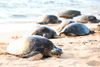
- August and September are the best months to see sea turtles nesting at night on Caribbean beaches like Playa Larga. Do note that sea turtles are highly protected in Panama, so strictly follow the local rules and laws when observing the animals.
- The rainy season from September to November sees millions of migrating birds of prey fly directly over Panama City. In Dolphin Bay, the waters become mirror-calm, so it’s the ideal time to watch the resident bottlenose dolphins.
Panama wildlife tours
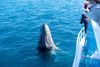
Booking a guided tour from a reputable operator is one of the most ethical ways to experience Panama’s staggering biodiversity and among the best things to do in Panama. While the wilderness is vast and tropical wildlife excels at concealment, expert local guides possess the trained eyes, high-powered spotting scopes and deep ecological knowledge required to turn a wall of green leaves into sightings of hidden sloths, rare birds and camouflaged frogs.
Most wildlife excursions depart directly from major hubs like Panama City, Gamboa, or the coastal towns of Santa Catalina and Bocas del Toro. For land-based tracking, standard day tours typically run between four and six hours, strategically launching at daybreak to capture peak animal activity. These routes generally wind through the historic Pipeline Road or the lush volcanic craters of the cloud forests. If you are heading out to sea for marine life, boat tours usually last a full day—roughly six to eight hours—navigating protected island corridors.
While general wildlife and birdwatching tours are generally bookable year-round, specific marine itineraries are usually highly seasonal. Whale watching tours only run during designated windows between July and October, whereas dolphin watching can be enjoyed any month of the year.
You can choose between budget-friendly and ultra-luxury options to include this essential activity in your ultimate Panama itinerary. Budget-conscious spotters can join small, shared group excursions, which provide excellent value, professional guides and shared entry fees. On the other end of the spectrum, luxury seekers can book fully customised, private expeditions. These premium packages often include multi-day journeys deep into national parks, exclusive night hikes, private boat charters and stays at remote, high-end jungle eco-lodges where wildlife wanders right past your cabin balcony.
Practical tips for ethical wildlife spotting
Panama has strict laws protecting its biodiversity that every traveller must follow, so learn about the necessary permits, entry rules and codes of conduct before booking your trip.
- For highly protected marine and island zones like Coiba National Park, you must carry your physical passport (or valid national ID). Park rangers conduct checks often and digital photos of your ID on a phone are typically rejected.
- Panama’s Ministry of the Environment mandates that national park entrance fees must be paid online via its portal prior to arrival. You must carry a printed or downloaded digital invoice as proof of payment.
- You’re not allowed to pilot your own private boat into marine sanctuaries. All maritime transits must be done by licenced, registered boat captains departing from authorised docks.
- Leave drones at home. They’re disruptive, cause stress to canopy wildlife and are banned or strictly restricted across Panama’s national parks and protected areas.
- Leave no trace. Take away all of your rubbish, don’t uproot plants and don’t purchase souvenirs made from animal skins, shells or teeth.
Panama’s sea turtle nesting beaches are monitored by volunteers and park staff, so do adhere to their rules.
- Flash photography or white lights from flashlights, headlamps or smartphones are prohibited. Only certified red-light filters used by registered guides are allowed on the beaches at night.
- If you spot a nesting female, you must stay at least 30 feet (9 m) away and always remain behind her line of sight.
- If you visit a nesting beach during the day, fill in any holes dug in the sand and flatten sandcastles before leaving. Tiny hatchlings get trapped in even shallow holes and can’t climb out.
Pack your bags and uncover Panama’s wild side
Panama proves that you do not need to travel to the ends of the earth to experience raw, untamed biodiversity. From the moment you set foot into its lush capital city parks to the second you boat out into remote Pacific marine reserves, this vibrant country delivers unforgettable encounters with the natural world. As you plan your journey, remember that wildlife tracking is just the beginning. The diverse ecosystems here unlock an incredible array of adventurous things to do in Panama, combining world-class eco-tourism with rich cultural history and beautiful tropical beaches. By choosing responsible local guides and aligning your calendar with the country’s spectacular natural seasons, you’re guaranteed a world-class spotting expedition. Panama’s wild wonders are waiting; grab your binoculars, book your flights and let the adventure begin.
Go further with the Expedia app
