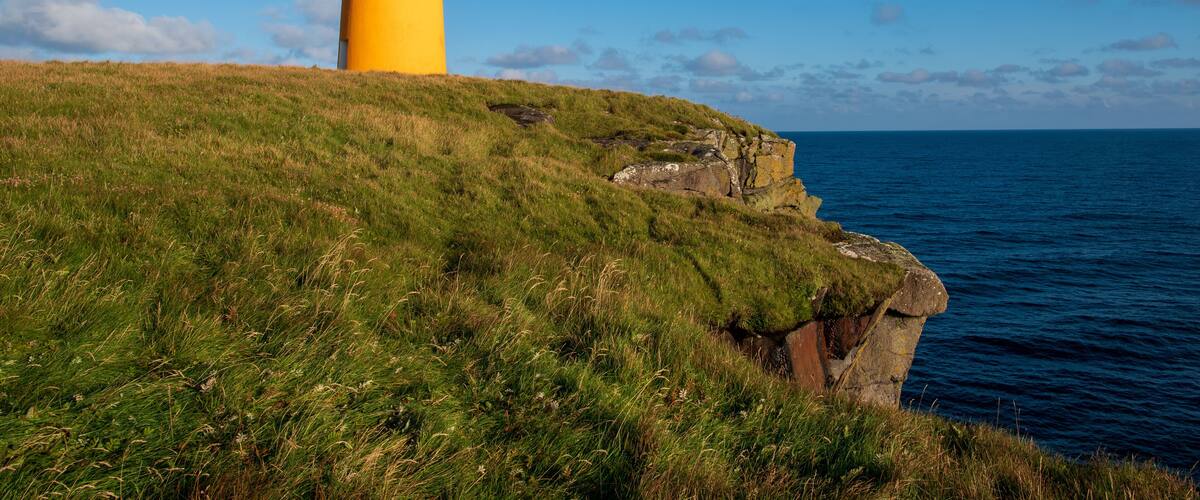
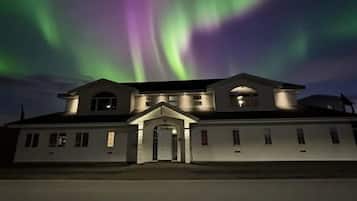
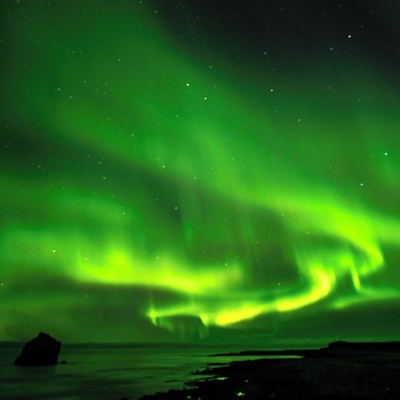
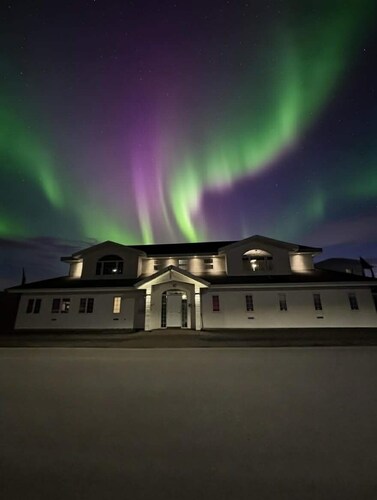
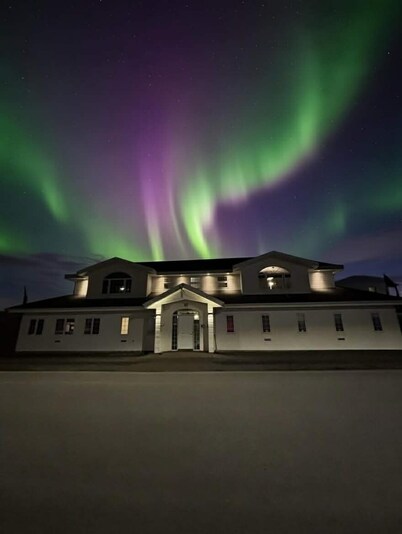
For most travellers, the best time to go to Reykjanesbær is during the summer months, from June to August, or the shoulder seasons of May and September.During June, July, and August, you'll experience Iceland's famous Midnight Sun, offering nearly 24 hours of daylight. This allows for extended sightseeing and outdoor activities without worrying about darkness. The weather is generally milder, with average temperatures around 10-15°C, making it comfortable for exploring the Reykjanes Peninsula's natural wonders like the Blue Lagoon, the Bridge Between Continents, and the geothermal areas of Gunnuhver and Krýsuvík. This period is ideal for those who want to maximise their exploration time and enjoy outdoor excursions.May and September offer a good balance of pleasant weather and fewer crowds. In May, you'll see the landscape turning green and migrating birds returning, while September brings the start of autumn colours and a chance to see the Northern Lights as the nights get darker. Temperatures are cooler than in peak summer, typically ranging from 5-10°C, but still comfortable for exploring. These months are superb for travellers who appreciate a more tranquil experience while still having good conditions for outdoor activities and potentially witnessing the aurora borealis.For those primarily focused on seeing the Northern Lights, the winter months from October to March are the best. During this period, the days are short, and the nights are long and dark, providing ample opportunity to witness the aurora borealis. However, be prepared for colder temperatures, often below freezing, and potentially challenging weather conditions, including snow and strong winds, which can impact travel plans.































































 Calendar Month
 Temperature
 Precipitation
 Cloudiness
 Occupancy
 Pricing