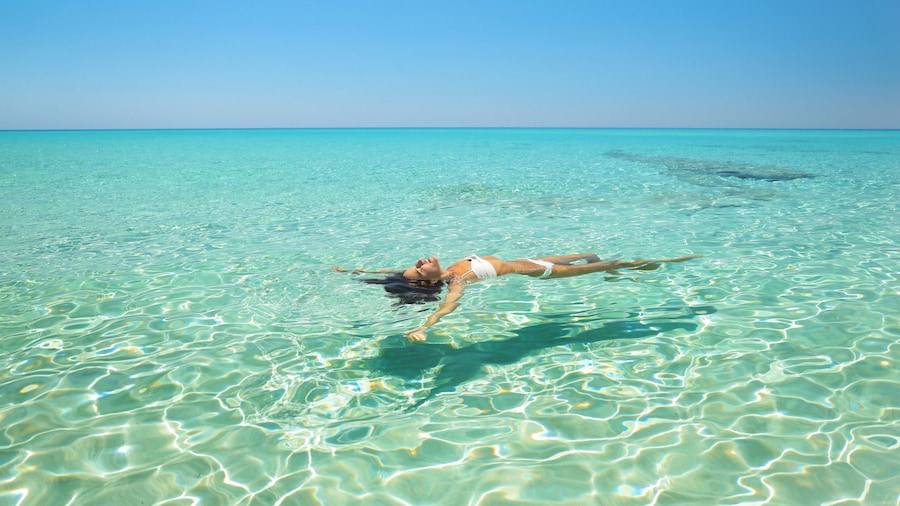

Things to do near Ibiza Island
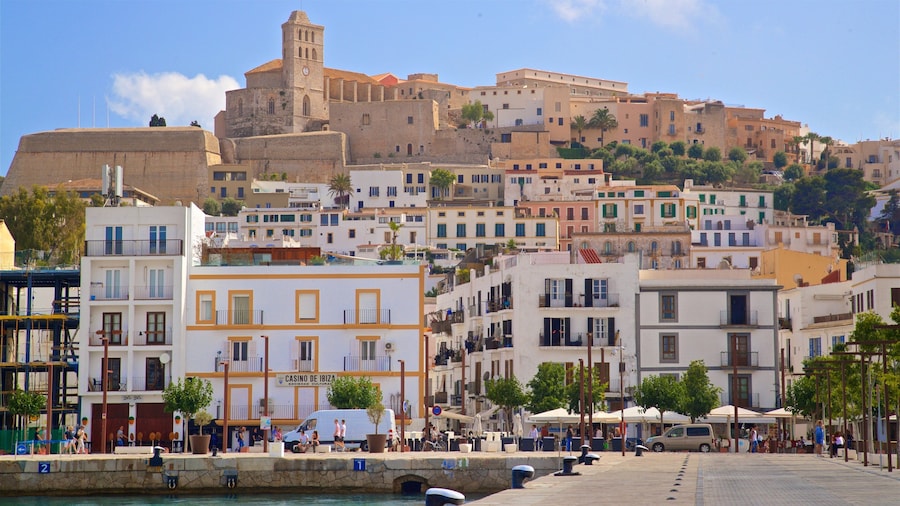
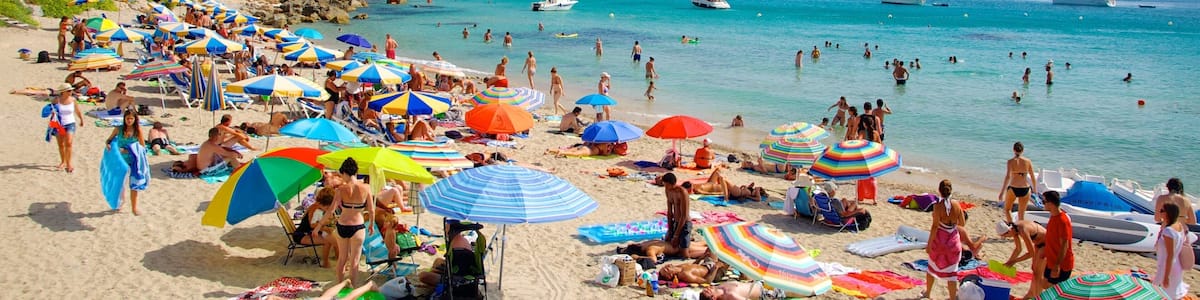
Ibiza Island offers a vibrant blend of beach and city experiences, perfect for an outdoor holiday. Visitors can indulge in karting, golf, and the renowned Ibiza nightlife, featuring exhilarating club nights, Mediterranean beach parties, and chic beach clubs. Whether you seek relaxation or excitement, Ibiza promises unforgettable days and nights by the sea.
Shopping
For unique gifts and souvenirs, visit Las Dalias Hippy Market, located 12.9km from Ibiza, and Punta Arabi Hippy Market, 14.5km away. La Mola Market, further afield at 37.0km, offers a vibrant atmosphere perfect for discovering local crafts and eclectic items.
Recreation
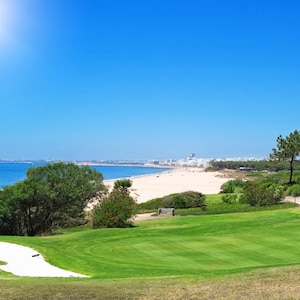
Experience relaxation at the Golf Club Ibiza, where you can enjoy lush greens and outdoor sports. Indulge in luxury at Ibiza Club de Campo, perfect for unwinding in a tranquil country setting. For sports enthusiasts, Can Misses Football Stadium offers an energetic atmosphere to enjoy live matches.
Adventure
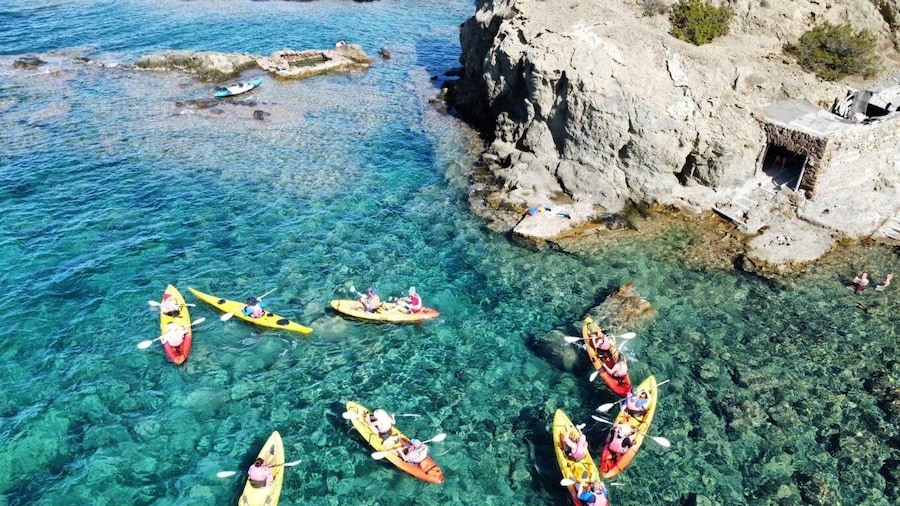
Experience the thrill of racing at Ibiza Karting San Antonio, located 8.0km from Ibiza. Feel the adrenaline rush as you navigate the track. Alternatively, visit Gran Piruleto Park P. Bossa, 9.7km away, for family-friendly arcade adventures, or enjoy water sports at Take Off Ibiza, 12.9km from the island.
Nightlife
The nightlife in Ibiza is electrifying, with iconic venues like Pacha and Amnesia hosting world-class DJs. Enjoy a cocktail at Café del Mar or dance until dawn at Ushuaïa. For a more laid-back vibe, visit a beach bar along the shore, soaking in the vibrant atmosphere.
*Distances are measured in a straight line; actual driving distances may vary depending on the route. Calendar Month
 Temperature
 Precipitation
 Cloudiness
 Occupancy
 Pricing