
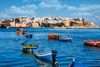
Family days on Morocco's Atlantic coast
Take a moment by the sea
This four-stop family route follows Morocco's Atlantic coast through Casablanca, Rabat, Essaouira, and Agadir.
Easy from arrival
Morocco’s Atlantic coast offers the kind of family holiday that feels easy from arrival: direct flights, reliable sunshine, and a route that can balance city energy with long, open beaches. Casablanca brings the big-city arrival. Rabat adds gardens and waterfront calm. Essaouira slows the day with sea air and rampart walks. Agadir gives the trip a beach-focused finish. Together, they make a route that feels varied without becoming complicated.
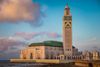
Casablanca by the sea
Casablanca is Morocco’s main gateway and a practical place to begin. The city gives families a first look at modern Morocco, with Atlantic air, wide boulevards, and enough high-impact sights to make day one feel rewarding without turning into a checklist. Start at the Hassan II Mosque, which is one of the few mosques in Morocco that non-Muslim visitors can enter on guided tours outside prayer times. Its scale gives the city a sense of arrival, and the oceanfront setting keeps the experience open.
Casablanca’s Art Deco architecture adds another layer with a guided walk that pulls the early 20th-century façades into focus around the city centre. The Habous Quarter, also known as the New Medina, has broader arcaded streets, bakeries, and craft shops. Later, the Corniche gives the day a soft close with sea-view restaurants, cafés, and room for an evening stroll..
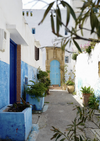
Rabat, Morocco’s historic capital
Rabat is Morocco’s capital that is about an hour from Casablanca by train. Palm-lined boulevards, gardens, and waterfront stretches keep the day comfortable for younger travelers here. The Kasbah of the Udayas is the best entry: blue-and-white lanes lead toward Atlantic views from the old fortress walls, and the Andalusian Garden inside the citadel adds shade for slower moments. Hassan Tower and the Mausoleum of Mohammed V bring more formal weight to the city’s history nearby, while Rabat’s medina is smaller and calmer than the storied medinas of Fez andMarrakech. Cooking classes work especially well for kids and teenagers — learning how spices build in a tagine, or seeing why Moroccan meals come from a single shared dish at the centre of the table. For travelers who know stews back home, a tagine arrives familiar in form, with Moroccan spice doing the rest.

Down to the beach
The coast takes over south of Casablanca and Rabat. Essaouira, an 18th-century walled fishing port, has a near-constant Atlantic breeze that keeps temperatures comfortable through summer and powers a strong windsurfing and kitesurfing scene. Its honey-coloured medina have a much different pace than the ones in larger cities, with artisan workshops to browse and a harbour that comes alive in the evening with grilled seafood. Agadir, three hours south, is the resort-style beach-city finish: modern hotels along shore, a long promenade, and a broad seafront space that suits mixed-age groups looking for winter sun. Agadir Oufella, the hilltop kasbah badly damaged in the 1960 earthquake, has restored walls and elevated views — a cable car makes the climb easy for younger children and grandparents. Souss-Massa National Park protects wetlands and dunes south of the city, and Paradise Valley adds palm groves and natural pools inland.
Morocco's coast holds different generations at once.
Casablanca, Rabat, Essaouira, and Agadir together make Morocco’s Atlantic coast feel easy to enter and varied enough to keep everyone interested. Different generations can travel at the same speed — long mornings, easy afternoons, and beaches at the end.
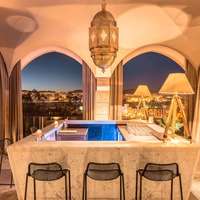
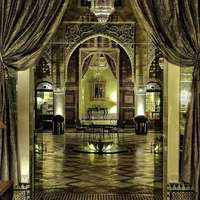
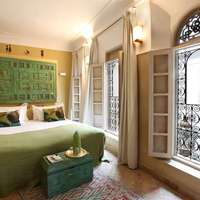
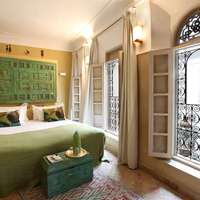
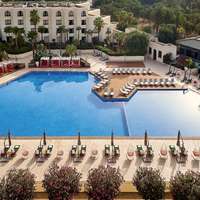
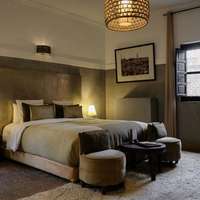
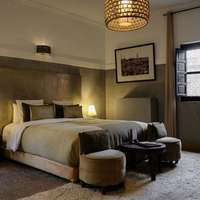
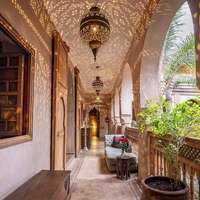
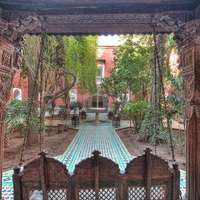
From regal riads and luxury hotels to affordable hideaways, explore our curated selection of hotels and resorts to find your perfect stay.
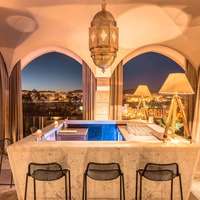

Morocco, kingdom of light

Go further with the Expedia app
