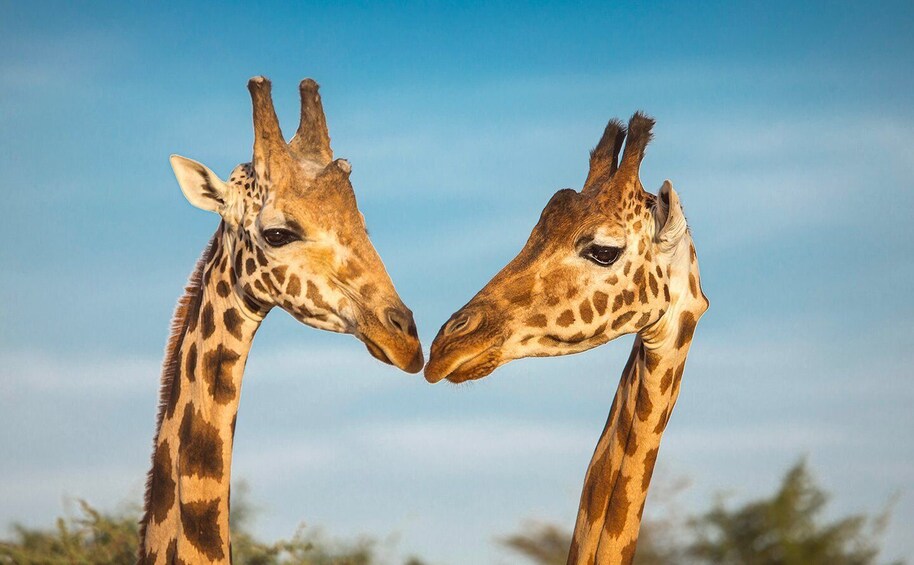
Selous Game Reserve, now known as Nyerere National Park (since 2019), is one of the largest protected areas in Africa, located in southeastern Tanzania. It covers approximately 50,000 square kilometres (19,300 square miles), making it a UNESCO World Heritage site and one of the most significant wildlife conservation areas in the world.
Key Features:
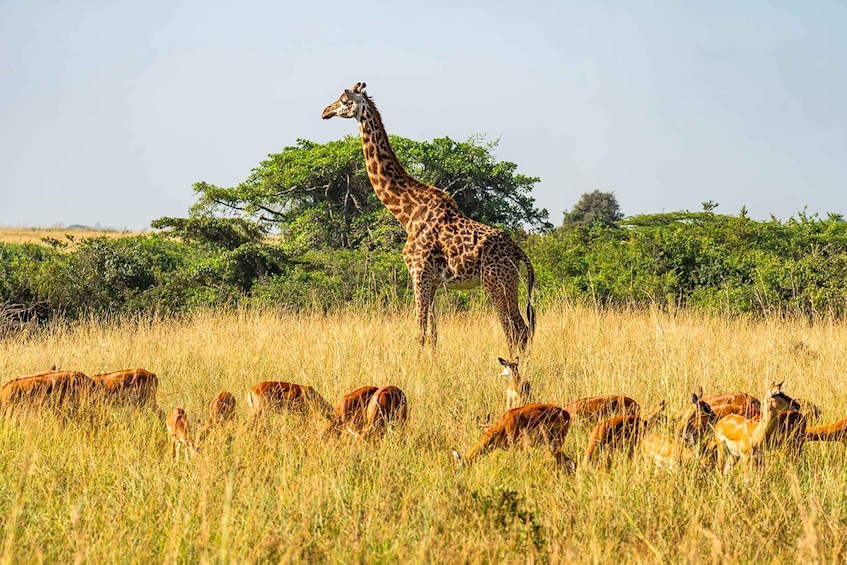
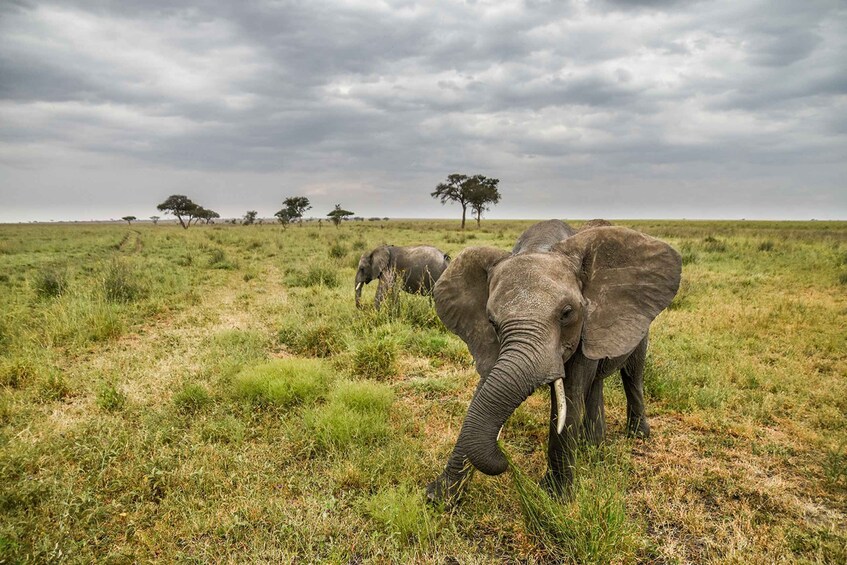
- Biodiversity: The park is home to a wide variety of wildlife, including elephants, lions, buffaloes, giraffes, zebras, and hippos. It also supports a diverse bird population, with over 400 species recorded.
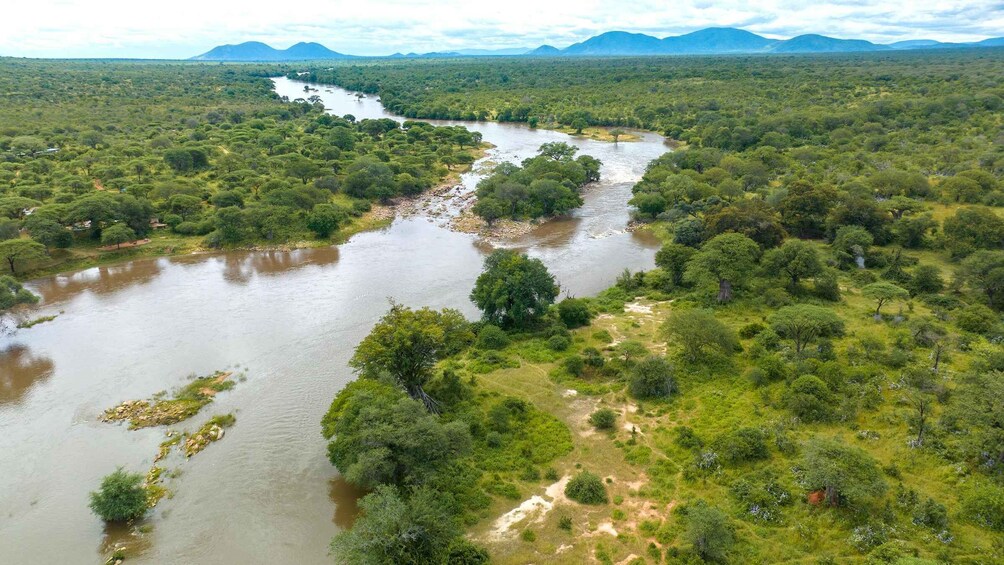
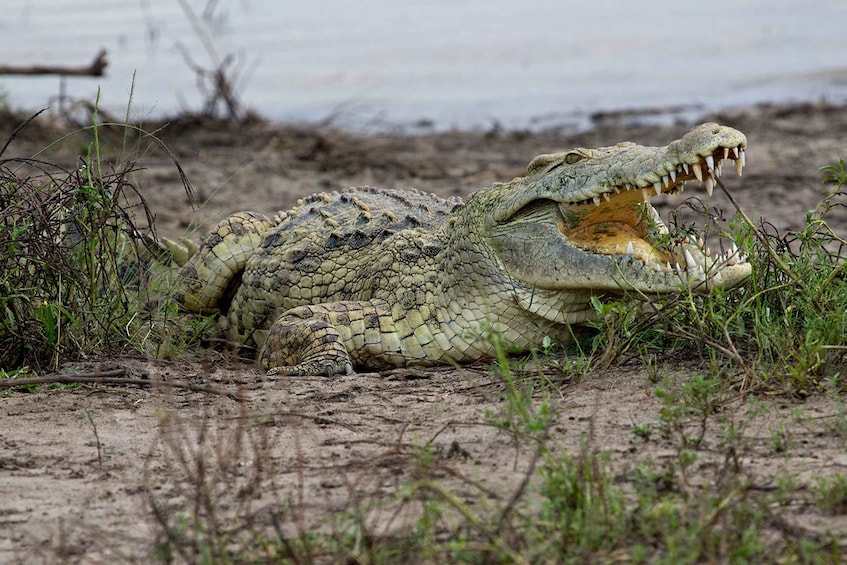
- Rivers: The Rufiji River is the central feature of the park, providing vital water sources for the animals and creating stunning landscapes. The river's delta is a haven for waterfowl and other aquatic species.
- Conservation Importance: Nyerere National Park is a critical area for the protection of endangered species, including the African wild dog and the black rhinoceros, though rhino populations have been severely reduced.
- Safari Opportunities: The park offers a variety of safari experiences, from game drives to boat safaris on the Rufiji River, allowing visitors to see animals in their natural habitats. Walking safaris, led by experienced guides, provide a deeper connection with the wilderness.
- Landscape: The park features a mix of savannas, woodlands, wetlands, and riverine forests, making it not only a hotspot for wildlife but also a place of immense natural beauty.
History:
Selous Game Reserve was established in 1905 and was named after the British explorer Frederick Courtney Selous, who was famous for his explorations in East Africa. It became a national park in 2019, when it was renamed in honour of the first president of Tanzania, Julius Nyerere.Ecological Significance:
The park is part of a larger ecosystem that includes neighbouring conservation areas like Ruinsori National Park and Udzungwa Mountains National Park, providing wildlife with vast migratory corridors. Its protection is essential for maintaining ecological balance in the region.
Visitors to the park can experience not just its wealth of wildlife, but also its tranquility and remoteness, making it a more off-the-beaten-path alternative to some of Tanzania’s more famous parks like Serengeti or Ngorongoro Crater.