in the morning tour guide will pickup you From Hotel and visit to museum ( museum Gajah ) This museum is very well known among Indonesian people, especially residents of Jakarta. They call it “Gedung Gajah” or “Elephant Museum” because in the front yard of the museum there is a bronze elephant statue as a gift from King Chulalongkorn (Rama V) of Thailand who visited the museum in 1871.,
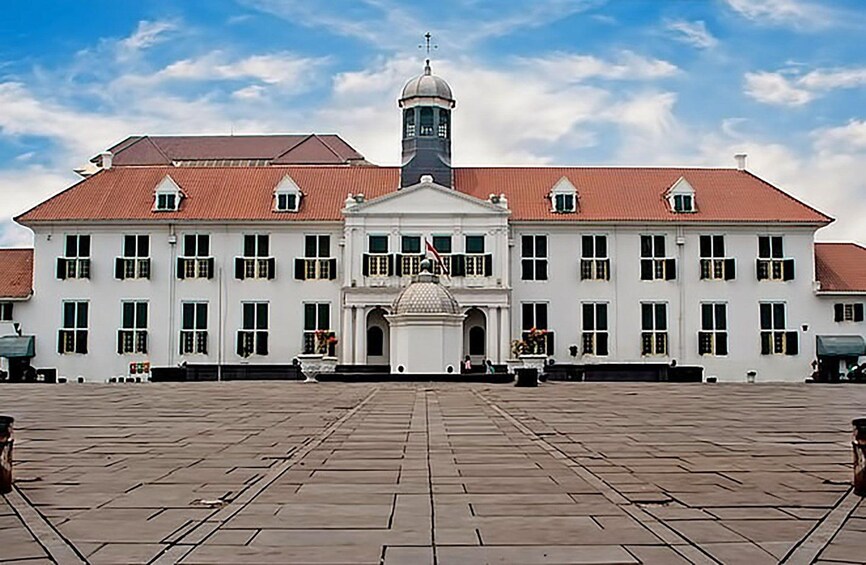
and second visit we going to old town (kota Tua Jakarta) Kota Tua or also known as Oud Batavia (Old Batavia), dates back to 1526. At that time, the Demak Kingdom sent a commander named Fatahillah to attack Sunda Kelapa Harbour. As a result, Fatahillah captured the area and changed its name to Jayakarta,
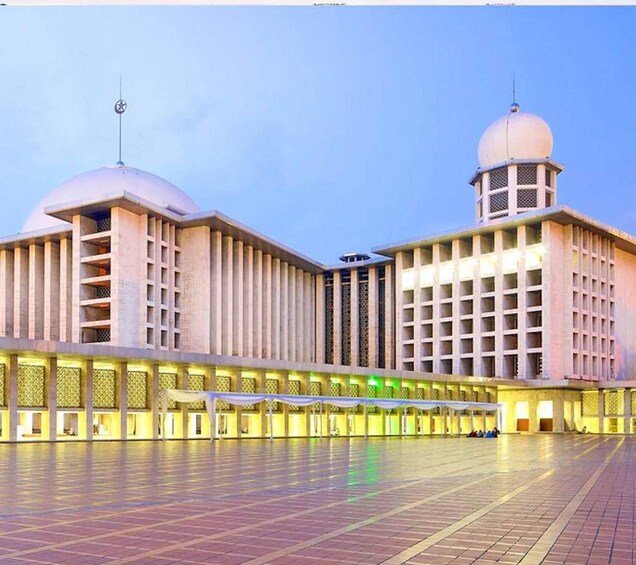
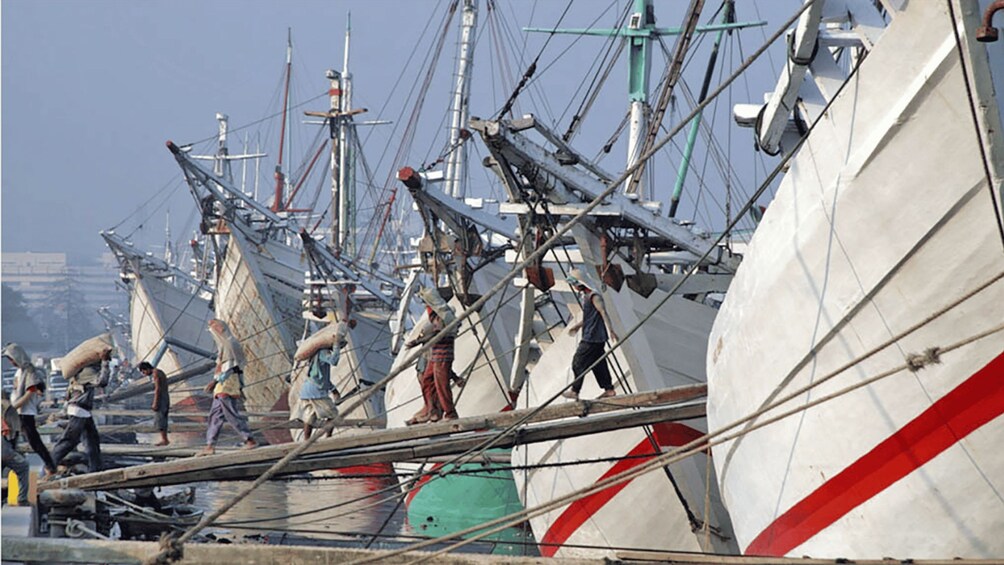
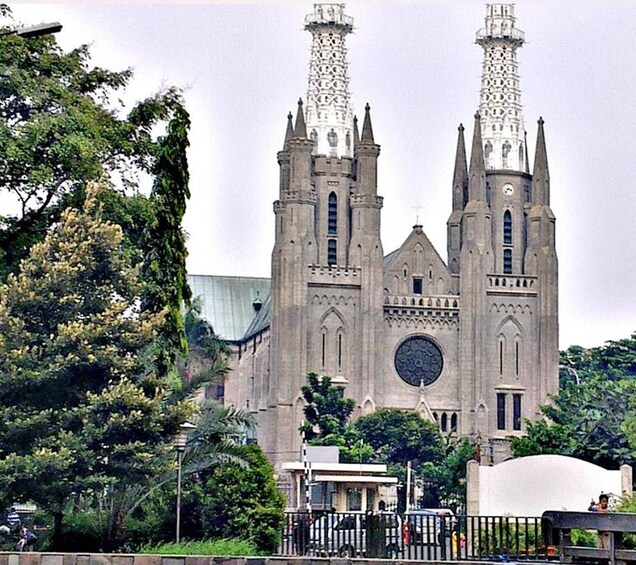
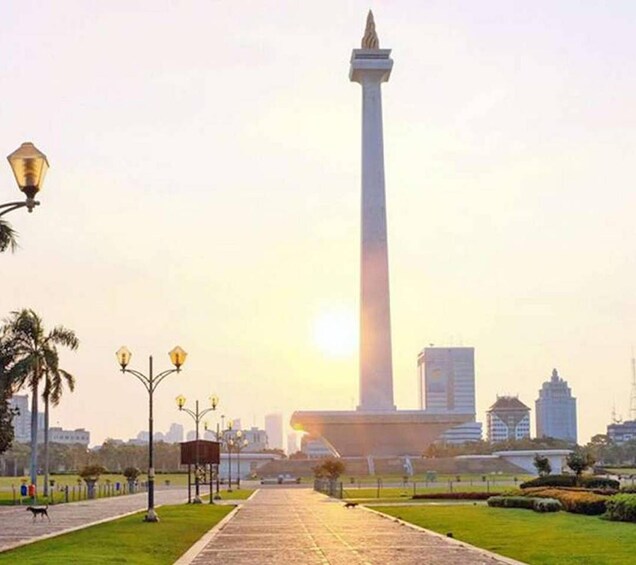
and then we going visit Harbour Sunda Kelapa , Sunda Kelapa Harbour is a stopover for international shipping which was built in 1527 during Portuguese rule. This port is visited by inter-island ships and people's shipping with the main commodities being wood, basic necessities, grocery items and building materials. and next we going to china Town, Chinatown is a settlement of ethnic Chinese communities in Indonesia that existed long before Europeans arrived, especially in trading ports along the north coast of Java Island.What was the purpose of the Chinese coming to Batavia? The answer is in order to support the economic progress and security of the city of Batavia and its surroundings. Discussion: The VOC deliberately brought in Chinese people from China in order to support the economic progress and security of the city of Batavia and its surroundings.. Next, visit Monas, one of the famous landmarks in Jakarta, Indonesia. It symbolises both the city and Indonesia’s struggle for independence. Then, visit Jakarta Cathedral and Istiqlal Mosque. The cathedral has stood since 1892 and was inaugurated on April 21, 1901.