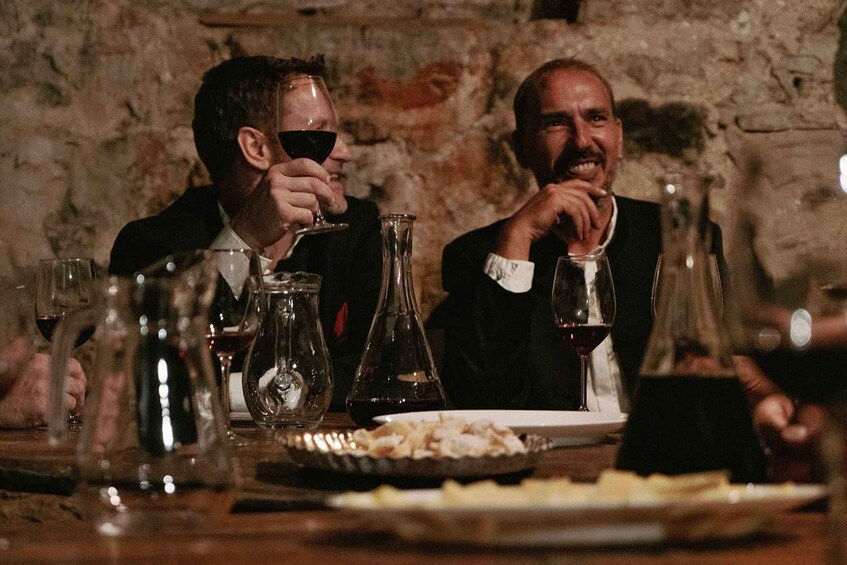
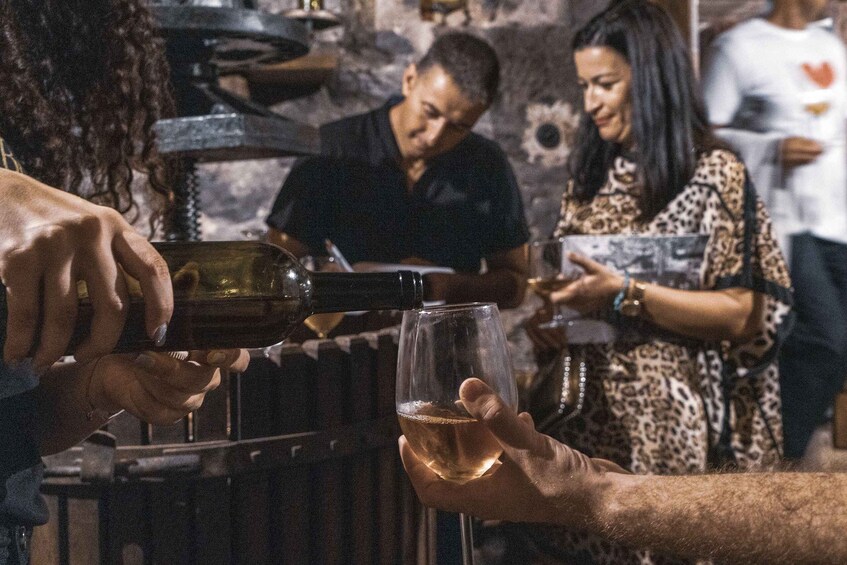
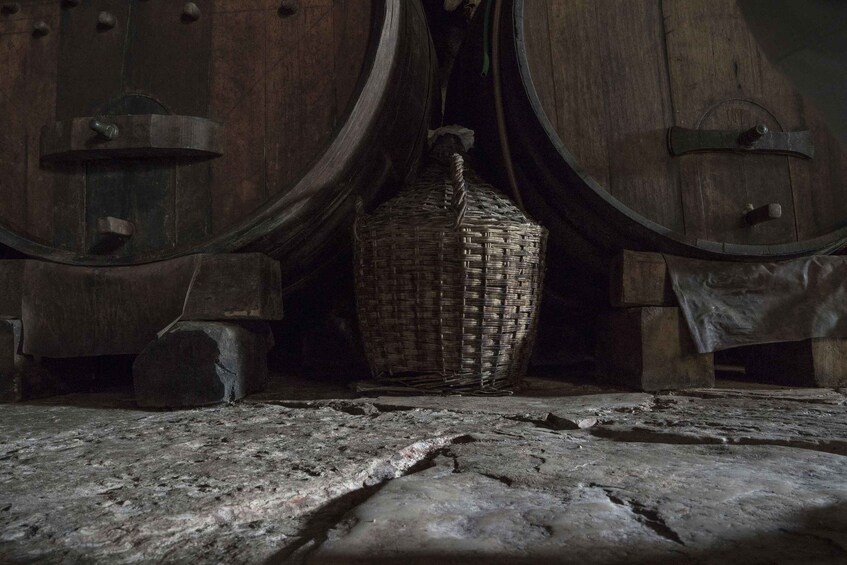
Step into the Konoba Bratanić, a unique wine-making museum nestled in the heart of Croatia's protected cultural heritage. This authentic wine cellar showcases preserved barrels and historic tools, each telling a tale of generations past. Enjoy a taste of local wines as you listen to the Bratanić family's captivating stories, connecting you to a simpler time where the joys of life were found in the earth and community. With a commitment to preserving traditional viticulture, this experience transcends mere wine tasting, offering a glimpse into the rich tapestry of Dalmatian culture and history.
Discover Croatia's only wine cellar designated as Protected Cultural Heritage. Experience authentic storytelling in a historic wine cellar setting. Explore preserved viticulture tools and artefacts dating back centuries. Taste wines from the iconic Hvar island, crafted with care by local winemakers.
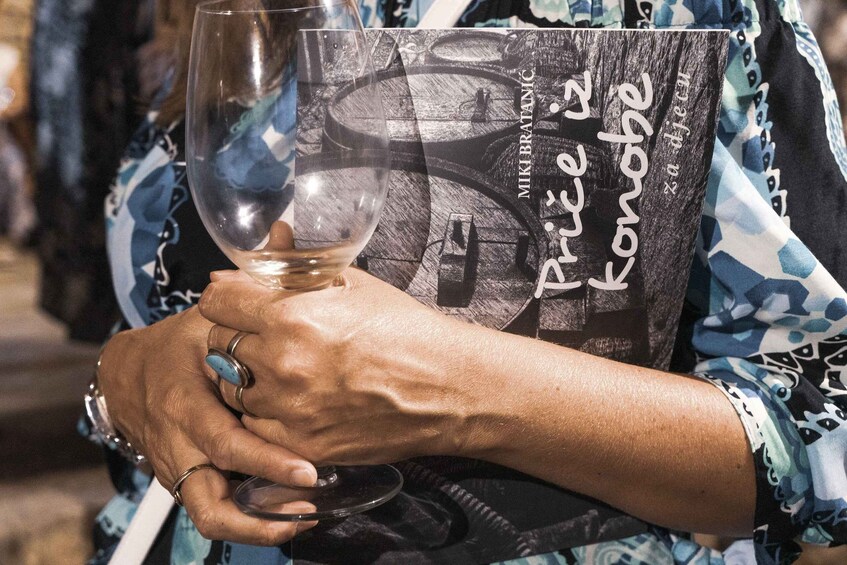
Konoba Bratanić offers a unique experience of authentic storytelling in the place where our grandfathers produced wine.
The Bratanić family konoba, or wine cellar, is the first and only konoba to hold the status of Protected Cultural Heritage of the Republic of Croatia. There is no better place to have a glass of wine in your hands while listening to stories, surrounded by authentic traditional barrels and tools used a hundred years ago. Touching all those old artefacts means touching the past. This is a kind of time-machine experience.
The Bratanić family konoba is a private ethnographic collection with protected cultural heritage status. It is not a restaurant, but a unique storytelling place that represents a uniquely preserved piece of traditional Dalmatian life from the past.
The Bratanić family konoba (wine cellar) is the first and only konoba to bear the status of ‘Protected cultural heritage of the Republic of Croatia’. It is a symbol of all konobas, those which are gone and have long since closed their doors, but primarily those that still maintain their old lustre and live their lives of times past.
In it imaginary doors open leading to a make-believe world in which time moves slowly, people were happier and healthier, and were content with little.
Even though our grandfather’s barrels lie empty today, one can still find a bit of wine with which the storey of the konoba gains another dimension. This dimension links yesterday and today, showing us that yesterday cannot return, but that we can at least live tomorrow a little like yesterday. We can at least try and be content with little, at least eat a little more healthy, live at least a little slower, just a little bit. And a little is often a lot.