Escape the city and discover one of Japan’s most famous sake towns on this guided tour from Hiroshima Station.
Meet your guide at Hiroshima Station and travel together by local train to Saijo, a scenic journey of about 40 minutes. During the ride, learn about the history of Japanese sake, why Saijo became one of Japan’s three major sake brewing regions, and how Hiroshima’s soft underground water helped shape its distinctive brewing style.
After arriving, stroll through the historic Sake Brewery Street, lined with traditional white storehouses and iconic red brick chimneys. Visit five to six breweries, each with its own history, philosophy, and brewing methods. Discover how rice, water, kōji, and yeast are transformed into sake, and learn why Saijo is renowned for producing elegant and refined flavours.
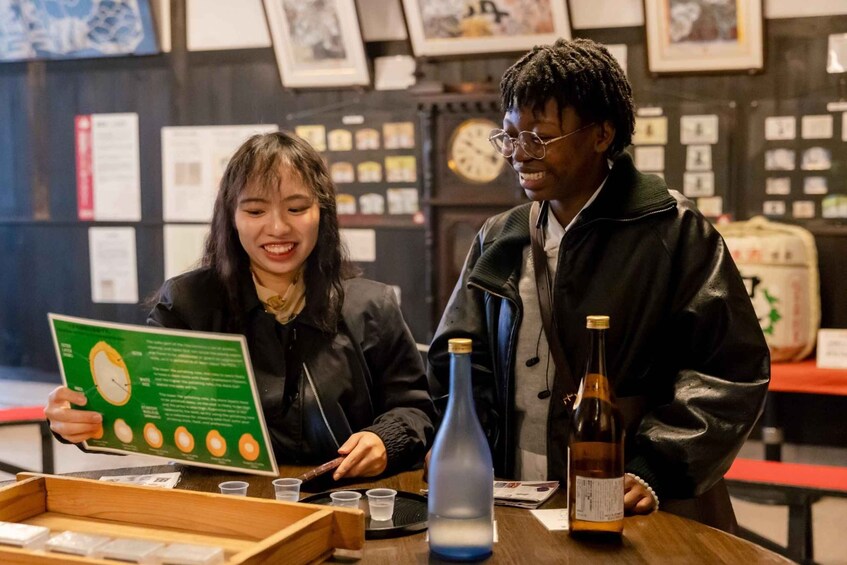
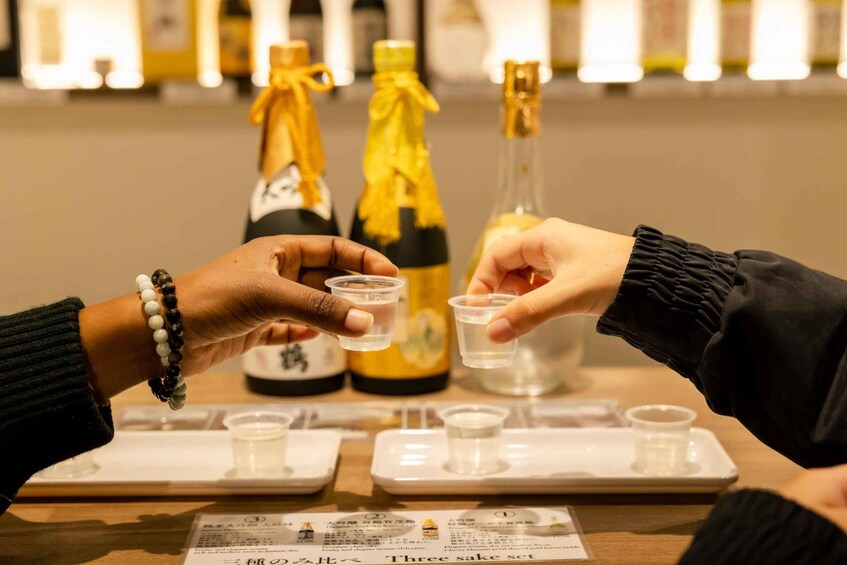
Sample three to five varieties of sake, from light and refreshing to rich and aromatic. Your guide will explain the differences between styles such as Junmai, Ginjo, and Daiginjo, helping you understand sake labels, aromas, and flavour profiles. Some breweries also offer treats made with sake lees, giving you another taste of Japan’s rich sake culture.
As you explore the brewery district, hear stories about the traditions, architecture, and craftsmanship that have made Saijo one of Japan’s leading sake destinations. More than just a tasting tour, this experience offers an authentic introduction to the history, culture, and artistry behind Japanese sake.