


Earn OneKeyCash when you sign in and book an activity
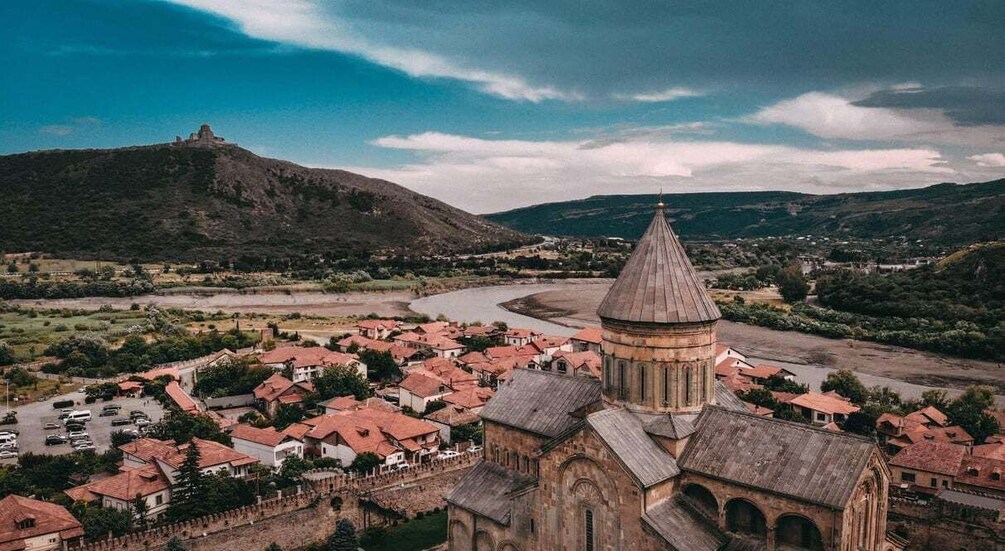
From Tbilisi: Half Day Mtskheta Guided Experience
Features
- Free cancellation available
- 4h
- Mobile voucher
- Instant confirmation
- Multiple languages
Overview
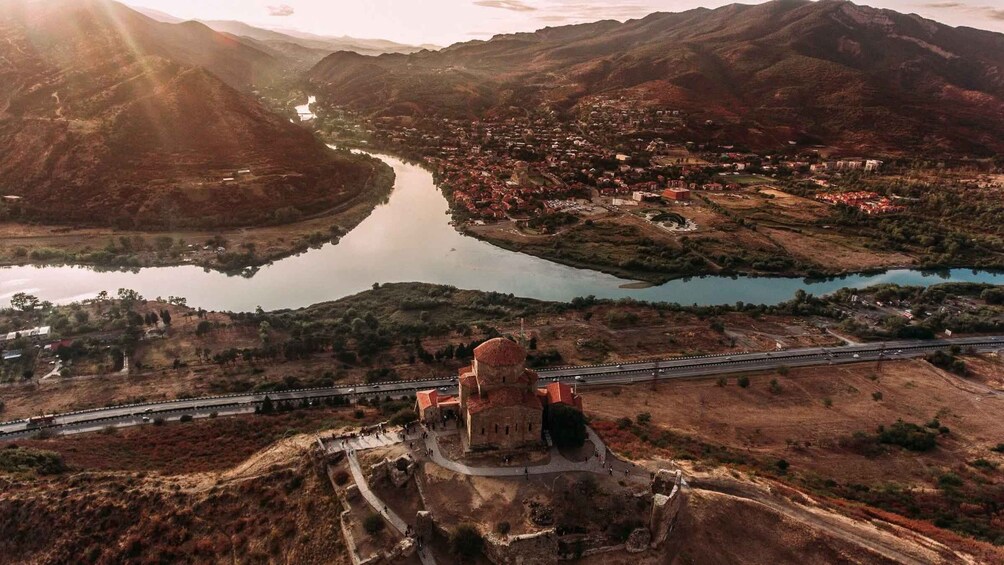
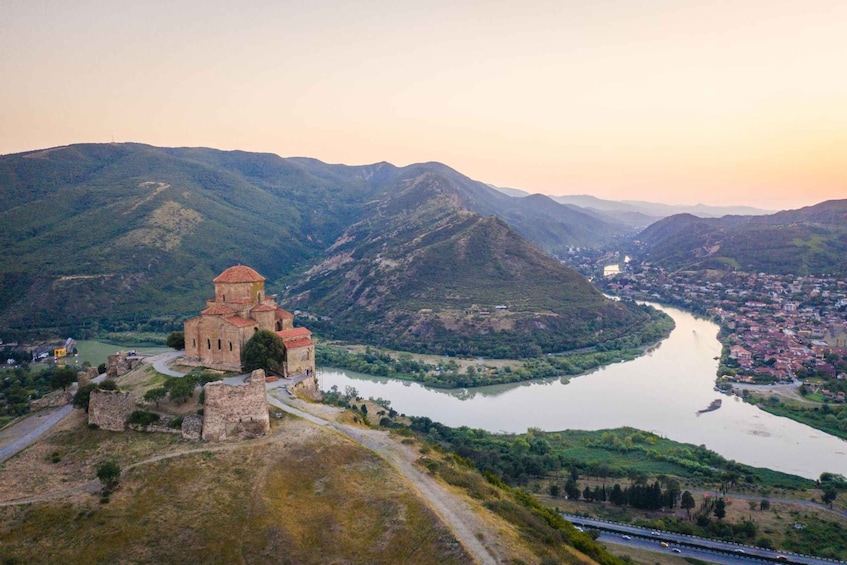
- Visit Jvari monastery and the view to The river aragvi and Mtkvari
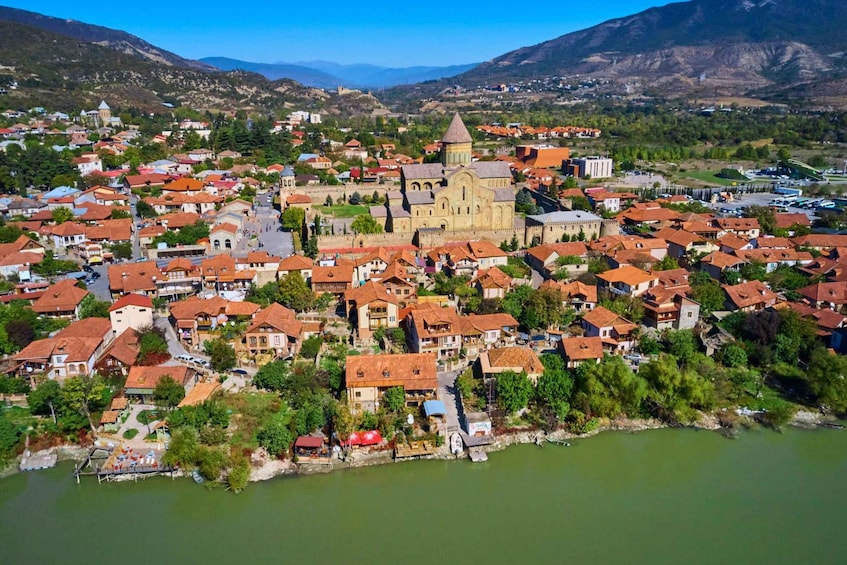
- Visit Mtskheta ancient capital of georgia
- Visit Samtavro monastery
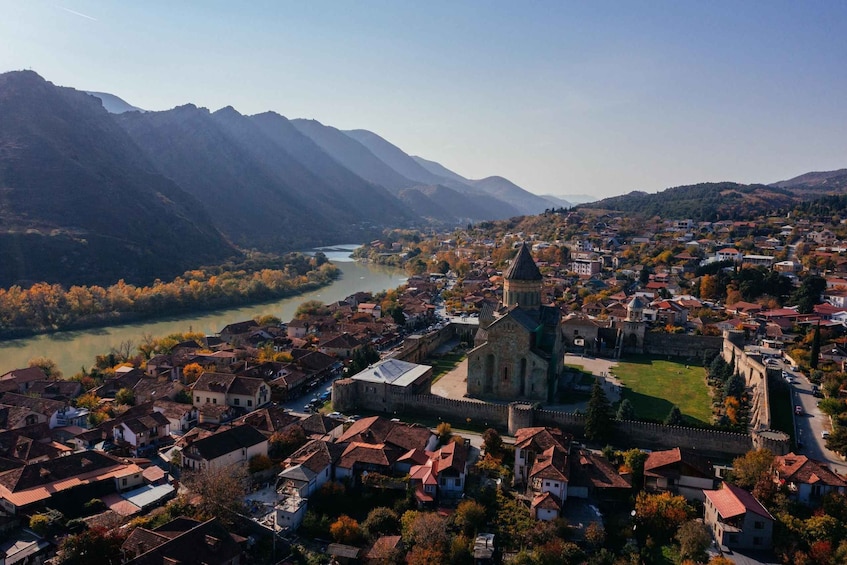
- Visit Svetitskhoveli Cathedral in Mtskheta
Activity location
- Tbilisi
- Tbilisi, Tbilisi, Georgia
Meeting/Redemption Point
- MRQ5+VJQ, Tbilisi, Georgia | ILOVE TBILISI SIGN
- Tbilisi, Tbilisi, Georgia
Check availability
From Tbilisi: Half Day Mtskheta Guided Experience
- 4h
- English
What's included, what's not
- Certificated Tour Guide in English and Russian
- Comfortable minibus
- Meal
What you can expect
We start from Tbilisi. Welcome to Mtskheta, one of the oldest cities in Georgia and its ancient capital. Located around 20 km north of Tbilisi, where the Mtkvari (Kura) and Aragvi rivers meet, Mtskheta is considered the spiritual and religious centre of Georgia and is listed as a UNESCO World Heritage Site.
The history of Mtskheta goes back more than 3,000 years. According to Georgian tradition, the city was founded by Mtskhetos, the legendary son of Kartlos, who is believed to be the ancestor of the Georgian people. Because of its strategic location on important trade routes connecting Europe and Asia, Mtskheta became an influential political, cultural, and religious centre.
For many centuries, from around the 3rd century BC until the 5th century AD, Mtskheta served as the capital of the Kingdom of Iberia, the ancient Georgian state.
⸻
Christianity and Saint Nino
Mtskheta holds special importance because this is where Christianity became deeply rooted in Georgia.
In the early 4th century, Saint Nino, a Christian missionary from Cappadocia, arrived in Georgia to preach Christianity. At that time, the kingdom followed pagan beliefs and worshipped idols.
According to tradition, Saint Nino performed miracles and converted King Mirian III and Queen Nana to Christianity. In 337 AD, Christianity was declared the state religion of Georgia, making Georgia one of the first countries in the world to officially adopt Christianity.
This event transformed Mtskheta into the religious centre of the nation.
⸻
Svetitskhoveli Cathedral – The Living Pillar
The main treasure of Mtskheta is Svetitskhoveli Cathedral.
The name Svetitskhoveli means “Life-Giving Pillar” or “Living Pillar.”
The current cathedral was built in the 11th century by the famous Georgian architect Arsukidze, although earlier churches stood on this site since the 4th century.
The cathedral is connected to one of Georgia’s most sacred legends.
According to tradition, a Georgian Jew named Elias brought the robe of Jesus Christ from Jerusalem to Mtskheta after the Crucifixion. His sister Sidonia became overwhelmed while holding the robe and died embracing it. She was buried with the robe because it could not be separated from her hands.
Later, a cedar tree grew over her grave. When King Mirian decided to build the first church, seven wooden pillars were made from this tree. One pillar miraculously rose into the air and only came down after Saint Nino prayed. The pillar was believed to release holy oil and perform miracles, giving the church its name – the Life-Giving Pillar.
Today, Svetitskhoveli remains one of the most important religious sites in Georgia and traditionally served as the burial place and coronation site of Georgian kings.
Location
Activity location
- Tbilisi
- Tbilisi, Tbilisi, Georgia
Meeting/Redemption Point
- MRQ5+VJQ, Tbilisi, Georgia | ILOVE TBILISI SIGN
- Tbilisi, Tbilisi, Georgia