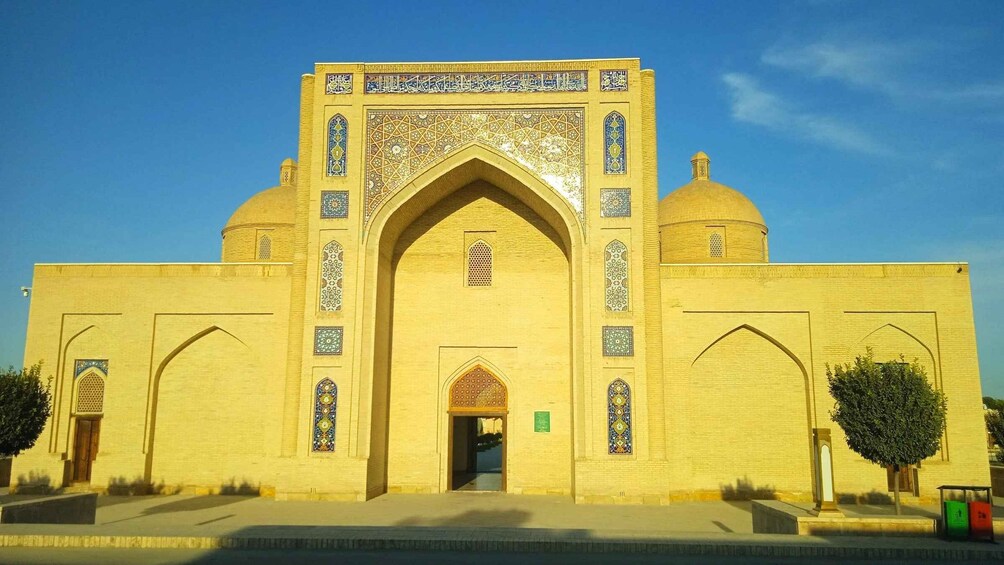
Discover the history, culture, architecture, and spiritual heritage of Bukhara beyond the famous monuments of the Old Town. This private tour takes you to several important sites located outside the central historic area, combining ancient religious complexes, traditional Bukharan architecture, a historic family residence, a royal summer palace, and one of Central Asia’s most important Sufi pilgrimage sites.
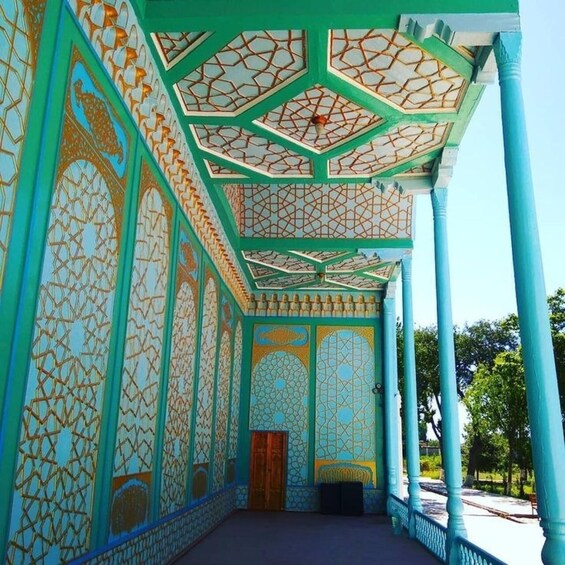
Your journey begins at Chor Bakr, a remarkable historical necropolis located outside Bukhara. Often referred to as the “City of the Dead,” Chor Bakr developed around the burial place of Abu Bakr Sa'd, a descendant of the Prophet Muhammad and one of the early Islamic figures associated with Bukhara. Over the centuries, the site grew into an extensive architectural complex containing mausoleums, mosques, madrasas, courtyards, and burial areas. As you walk through the complex, discover how Chor Bakr became an important religious and cultural centre and learn about the people who were buried here. The peaceful atmosphere and traditional architecture make it one of the most interesting places to experience the spiritual side of Bukhara.
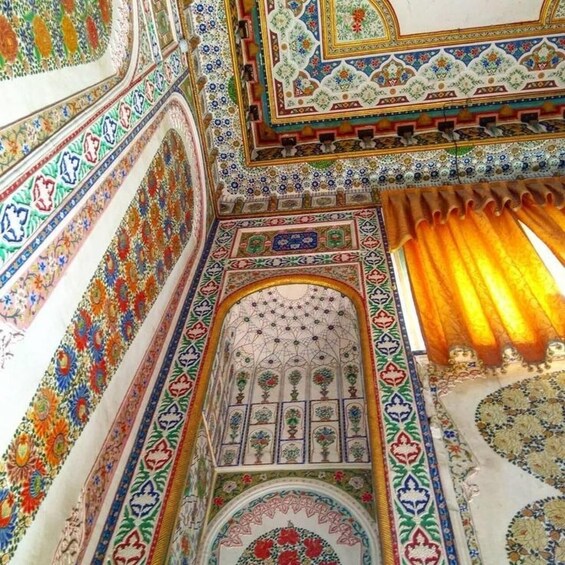
Continue to the Fayzulla Khodjaev House Museum, a beautifully preserved traditional residence that provides an insight into the lifestyle of a wealthy Bukharan family. Fayzulla Khodjaev was one of the prominent political figures of Bukhara during the dramatic period of transition from the Emirate to the Soviet era. The house itself is an important example of traditional Bukharan residential architecture. Explore its decorated rooms, courtyards, carved wooden elements, ornamental details, and traditional living spaces while learning about the customs and daily life of an influential family in Bukhara.
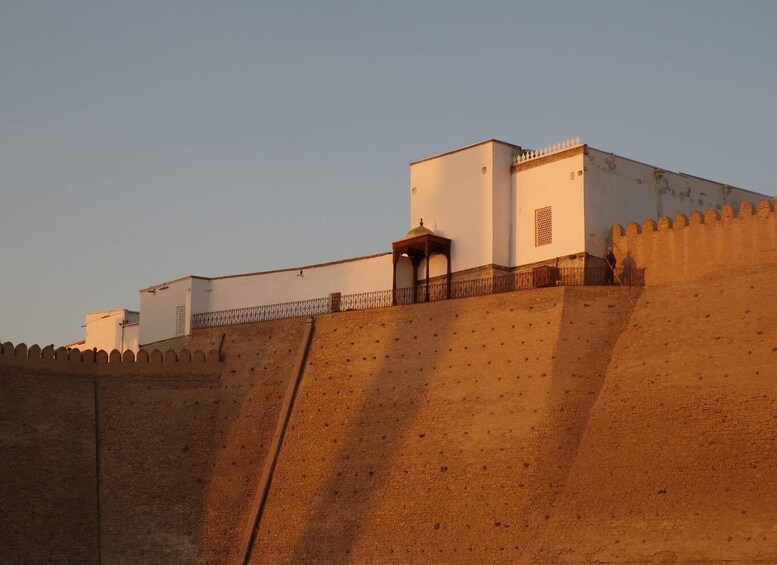
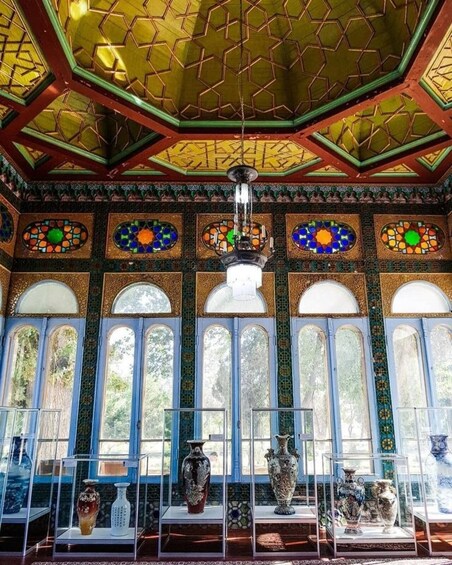
From the historic house, continue to Sitorai Mokhi-Khosa, the magnificent Summer Palace of the Emirs of Bukhara. Built as a country residence for the ruling family, the palace represents a fascinating combination of traditional Central Asian architecture and European-inspired design. The complex reflects the changing tastes and international connections of the final period of the Bukhara Emirate. Walk through the palace grounds and discover its elegant reception rooms, decorative interiors, courtyards, gardens, and museum collections. Learn about the life of the last Emir of Bukhara, Amir Alim Khan, and the royal family who used the palace as a summer retreat.
The final major stop is the Bahauddin Naqshband Complex, one of the most important spiritual and pilgrimage destinations in the Bukhara region. The complex is connected with Bahauddin Naqshband, the famous 14th-century Sufi master and founder of the Naqshbandi spiritual tradition. Explore the complex, including its religious buildings, courtyards, sacred areas, and architectural details, while learning about the life and teachings of Bahauddin Naqshband and the influence of the Naqshbandi tradition across Central Asia and beyond.