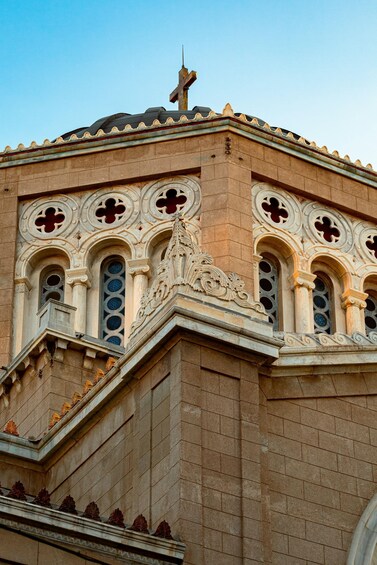
Begin your journey at Mitropoleos Square, where the imposing Metropolitan Cathedral of Athens, or Mitropoli, stands as the ceremonial centre of the Greek Orthodox Church, this grand structure symbolises the rebirth of the Greek nation after independence.
Just a few steps away and yet centuries apart in atmosphere lies the next stop: Panagia Gorgoepikoos, also known as Agios Eleftherios or the Little Metropolis. Step from the grandness of the main cathedral into the quiet intimacy of a 12th-century Byzantine chapel. This tiny structure is one of the oldest surviving churches in Athens, built entirely from repurposed ancient marble blocks. Its walls are a patchwork of pagan reliefs, early Christian symbols, classical motifs, and medieval stonework — a visual chronicle of the city’s layered past. Despite wars, earthquakes, and urban upheaval, this jewel-like chapel has remained intact, its compact size contrasting with its monumental cultural significance.
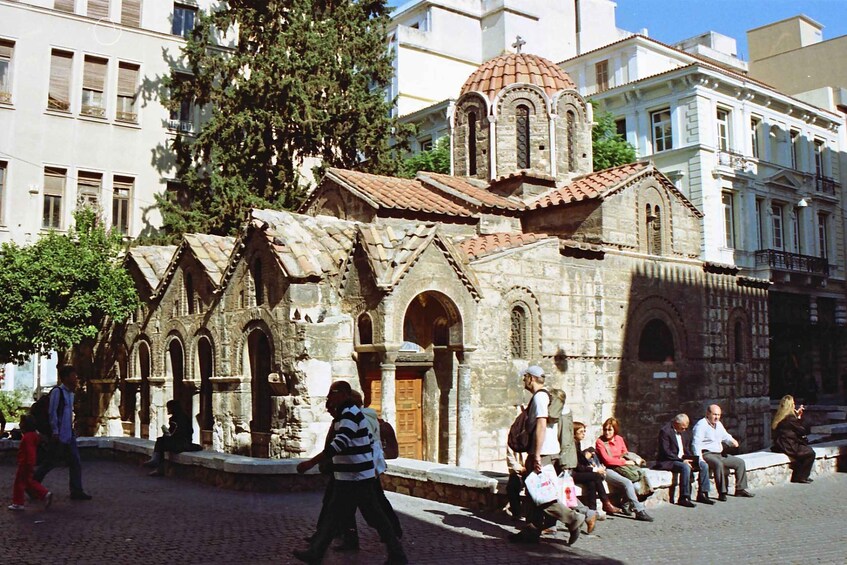
From here, move into the lively energy of Ermou Street, where the Church of Panagia Kapnikarea appears like a serene island amid modern commerce. Encounter a rare sight: a Middle Byzantine church from around 1050 set squarely in the centre of a shopping district.
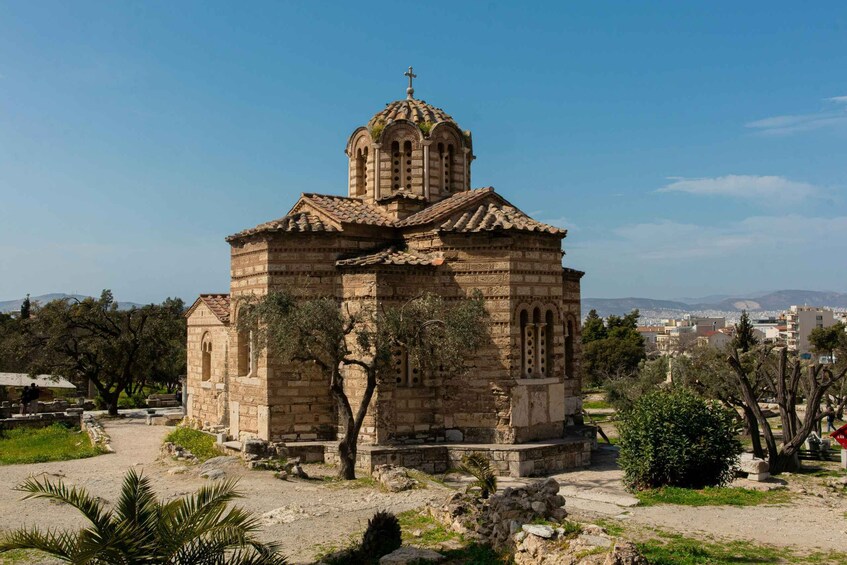
The church’s distinctive dome, graceful brick patterns, and 20th-century mosaics reflect traditional Byzantine aesthetics, while its location illustrates how Orthodoxy persisted even during Ottoman rule.
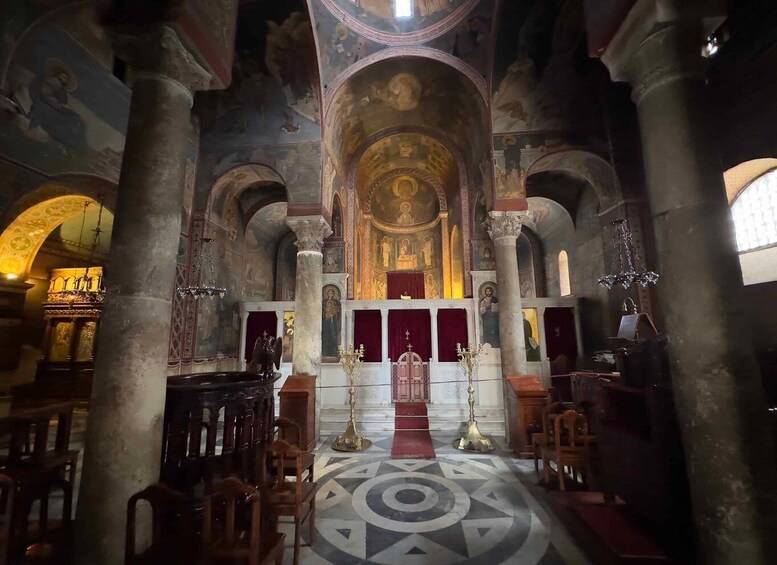
A gentle walk leads you next into the winding streets of Plaka, where the neighborhood’s old-world charm shelters yet another historic treasure. Reach Agios Nikolaos Ragavas, a beautiful 11th-century church lovingly restored to reveal delicate frescoes and soft stone textures.
This church carries not only religious significance but also national symbolism: it was the first church in Athens to install electric lighting, in 1910, and its bell tower famously rang during the Greek War of Independence, earning the nickname “the freedom bell.”
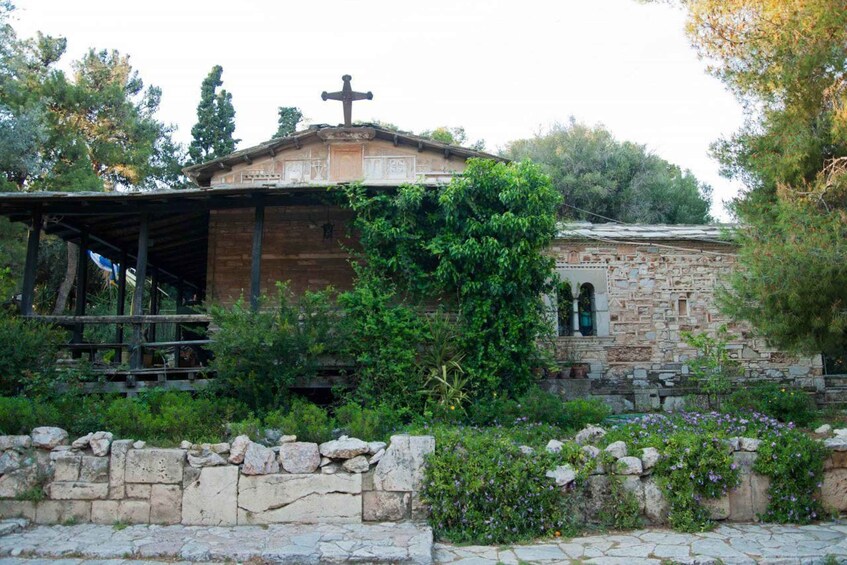
Finally, for those who wish to end the tour surrounded by nature and panoramic views, the last stop leads you to Agios Demetrios Loumbardiaris, nestled on Filopappou Hill. This picturesque Byzantine church blends seamlessly into its wooded surroundings, thanks to architect Dimitris Pikionis, who restored it in the 1950s using local materials to harmonise with the landscape.