United Kingdom

Jumping the breakfast buffet queue, washing undergarments in kettles and stealing from hotels rooms revealed as some of the biggest hotel faux pas
Etiquette expert William Hanson launches playful ‘Grand Etiquette Hotel’ guide with Hotels.com to educate Brits on how to hotel properly, including not missing out on £100 in Hotels.comCash after 10 eligible nights
From breakfast buffet ‘jumpers’ to being rowdy in the hallways, Brits are lifting the lid on their hotel habits – and it turns out, we’re not always on our best behaviour.
A new hotel etiquette study* commissioned by Hotels.com® reveals that while nearly 40% of us think hotel etiquette might be slipping, we still like to believe we’re doing our bit, with 90% of Brits convinced they’re the perfect house guest away from home.
But even the most well-intentioned travellers admit to the occasional cheeky shortcut. In fact, guest quirks start before check-in and carry on throughout the stay.
More than a third confess to entering the wrong number of guests when booking, with Gen-Zs leading the charge when it comes to squeezing in an extra mate after check-in. Meanwhile, 40% of travellers admit they’ve skipped reading reviews altogether, with one in 10 missing out on collecting loyalty rewards along the way.
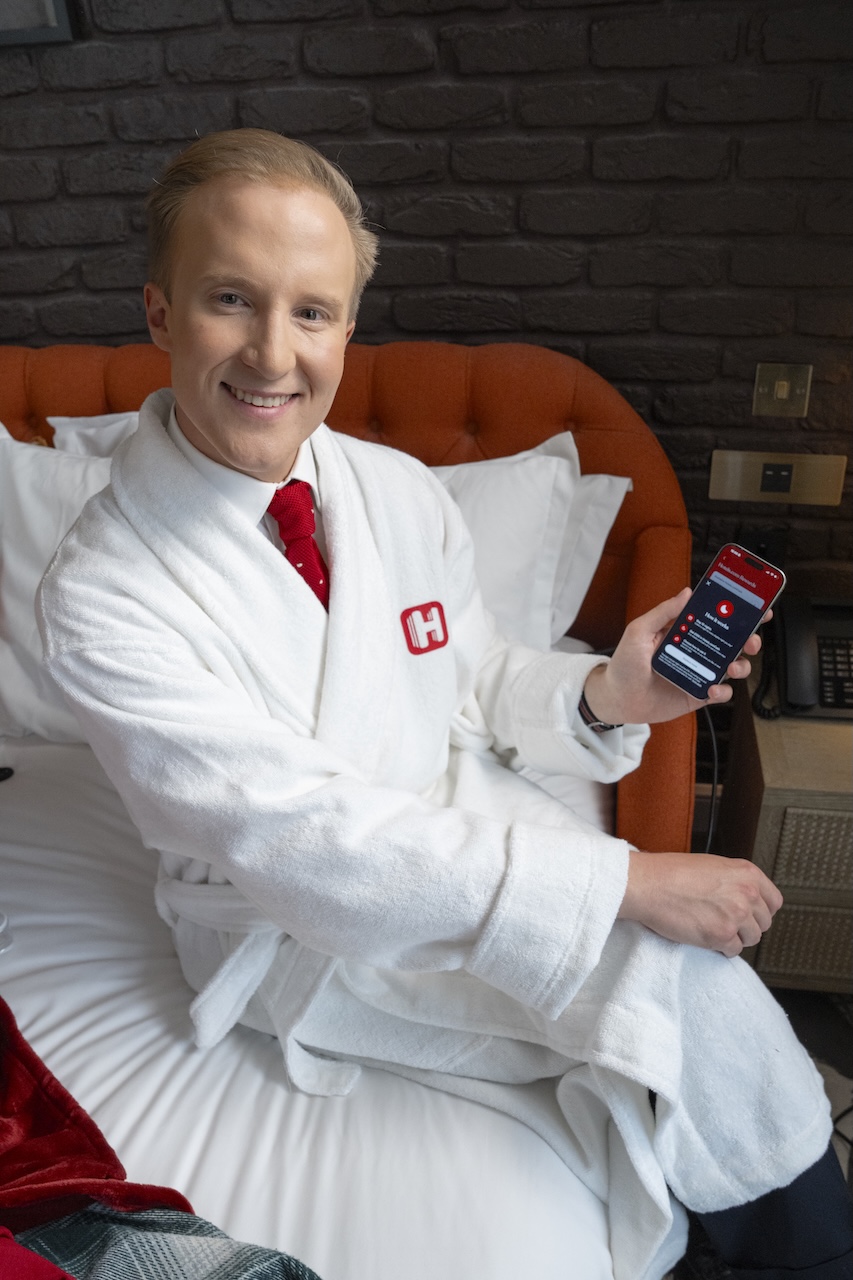
To help travellers get more from every stay, Hotels.com has launched a revamped loyalty programme, Hotels.com Rewards, where holidaymakers can earn £100 back in Hotels.comCash™ after 10 eligible nights[1] – addressing one of the biggest faux pas, leaving loyalty points on the table.
“Small tweaks can make a world of a difference,” said Melanie Fish, travel expert and spokesperson for Hotels.com. “Taking the time to check reviews or making the most of rewards can turn a good trip into a great one, and help your travel budget stretch further, too.”
Brits might bend the odd booking detail, but when it comes to asking for upgrades we’re surprisingly honest, with only one in 10 admitting they’d lied to try their luck.
Restraint goes out the window at the breakfast buffet, however, with over a third admitting to smuggling food out to eat later. Complimentary perks – particularly tea, coffee and toiletries – are also where guests report to overindulging, while free breakfast, room upgrades and free parking top the wish list of the extras we love most.
Not quite 5-star etiquette
It’s not just the big etiquette moments where Brits say they occasionally slip. From propping suitcases on the bed to hanging damp laundry out on the balcony, some habits are hard to shake once we’re in holiday mode.
That said, there are lines we rarely cross. You won’t find Brits engaging in PDA around the pool (2%) or being rude to staff (2%).
And it’s not just our own habits under the microscope. Brits are also quietly sizing up their fellow guests. Japanese travellers are seen as the gold standard for politeness by a third of respondents, followed by the Swedes, with Brits placing themselves a modest third. At the other end of the scale, Americans (35%) and Germans (22%) are perceived as the rudest guests, although, of course, every stay tells its own story.
10 tips for better stays and better rewards
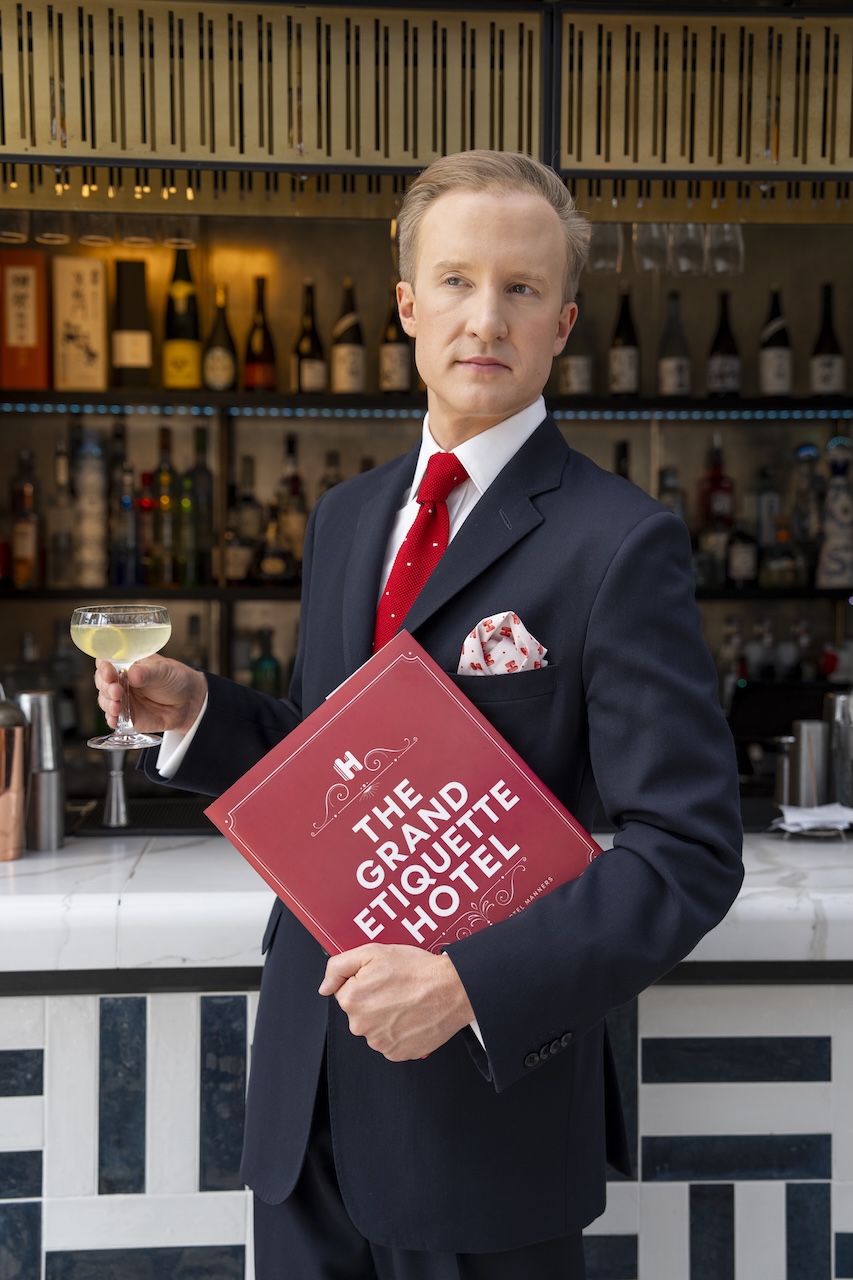
In response to the findings, Hotels.com has teamed up with etiquette expert William Hanson to create a set of practical dos and don’ts to help navigate modern hotel manners. ‘William Hanson’s Grand Etiquette Hotel Guide: 10 Tips to Reap the Rewards During Hotel Stays’ is a guide based on the nation’s biggest pet peeves. Among them, reserving sunbeds at dawn with towels is a huge faux pas – but being rude to staff is the ultimate no-go.
The 10 tips are designed to reflect the power of consistent actions, mirroring the simplicity of Hotels.com’s rewards proposition: stay eligible 10 nights, and earn £100 in Hotels.comCash.
William Hanson’s Grand Etiquette Hotel Guide
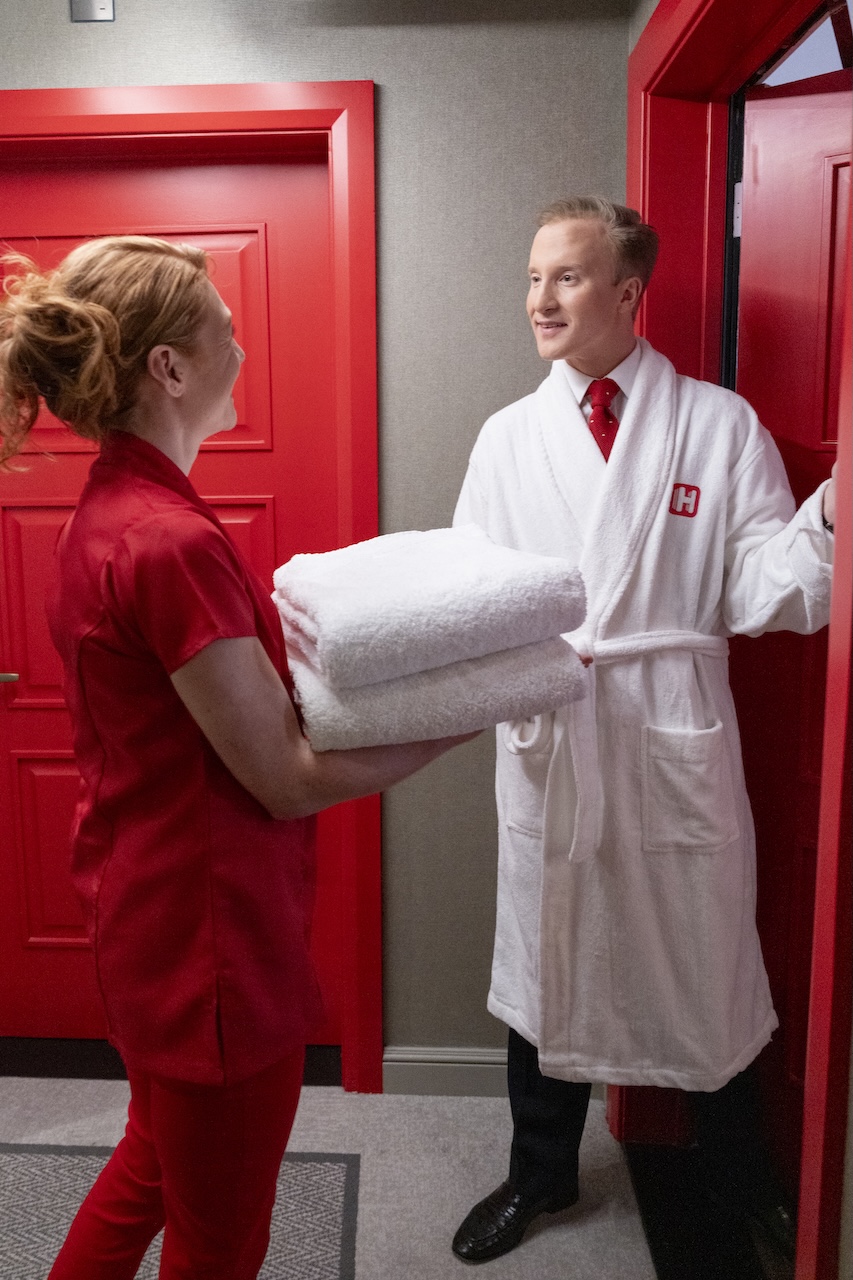
- The Art of Engaging Staff with Dignity – Treat every member of staff, from the cleaner to the manager, with genuine respect and an open ear. This isn’t just about being nice; it’s about unlocking personalised service. Staff are far more likely to go the extra mile for a guest who treats them as valued individuals.
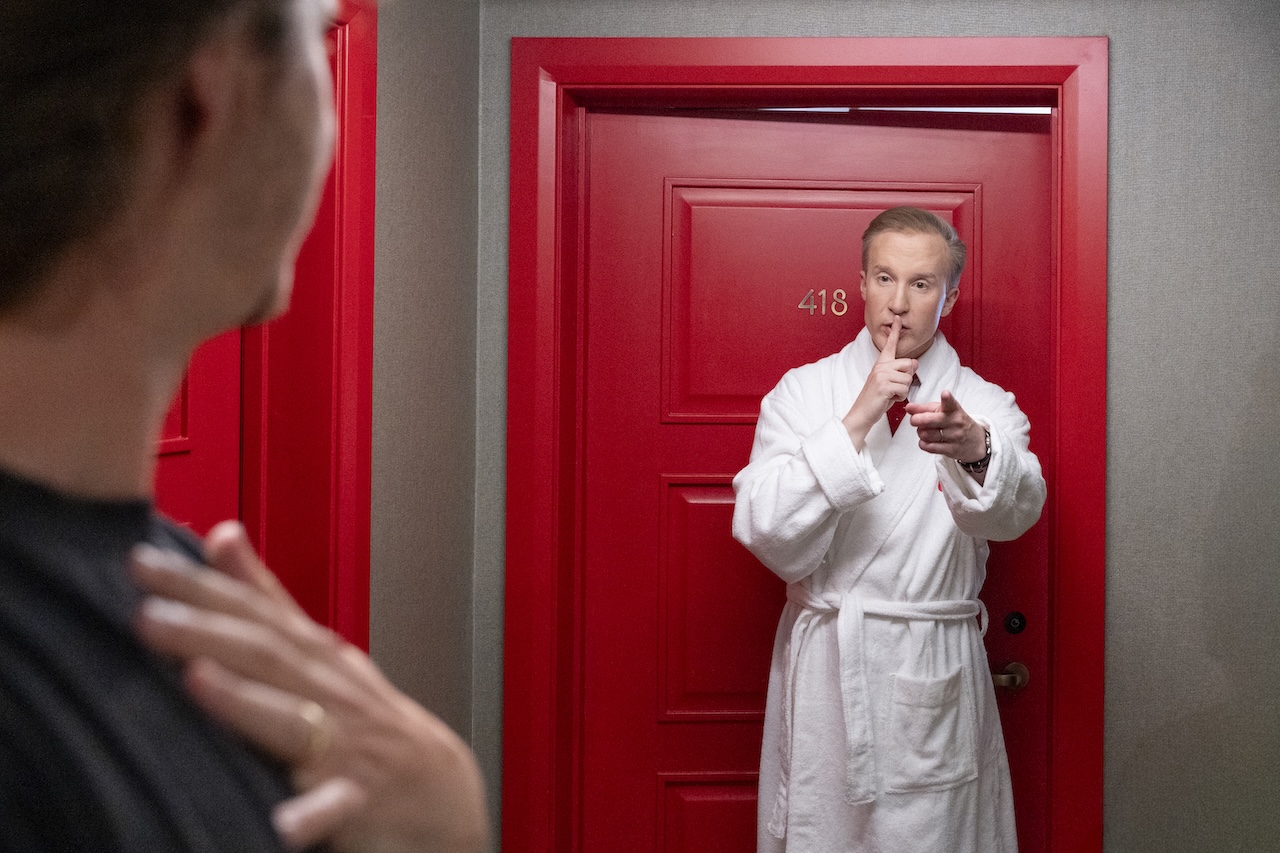
- Halcyon Hallways (and the Virtue of Silence) – Corridors are not thoroughfares for celebration, but shared spaces requiring a degree of restraint. One should move through them quietly, particularly in the later hours, keeping voices low and footsteps gentle.
- Libationary Lessons – A well-enjoyed drink need not become a public performance. Moderation is key, particularly in shared spaces where one’s behaviour is on quiet display. By remaining composed, you retain dignity and control of your surroundings.
- On Burning Embers and Better Judgement – Hotel rooms are designed for comfort, not combustion. Lighting a cigarette indoors undermines both the space and the experience for future guests and inevitably results in penalties that could have been easily avoided.
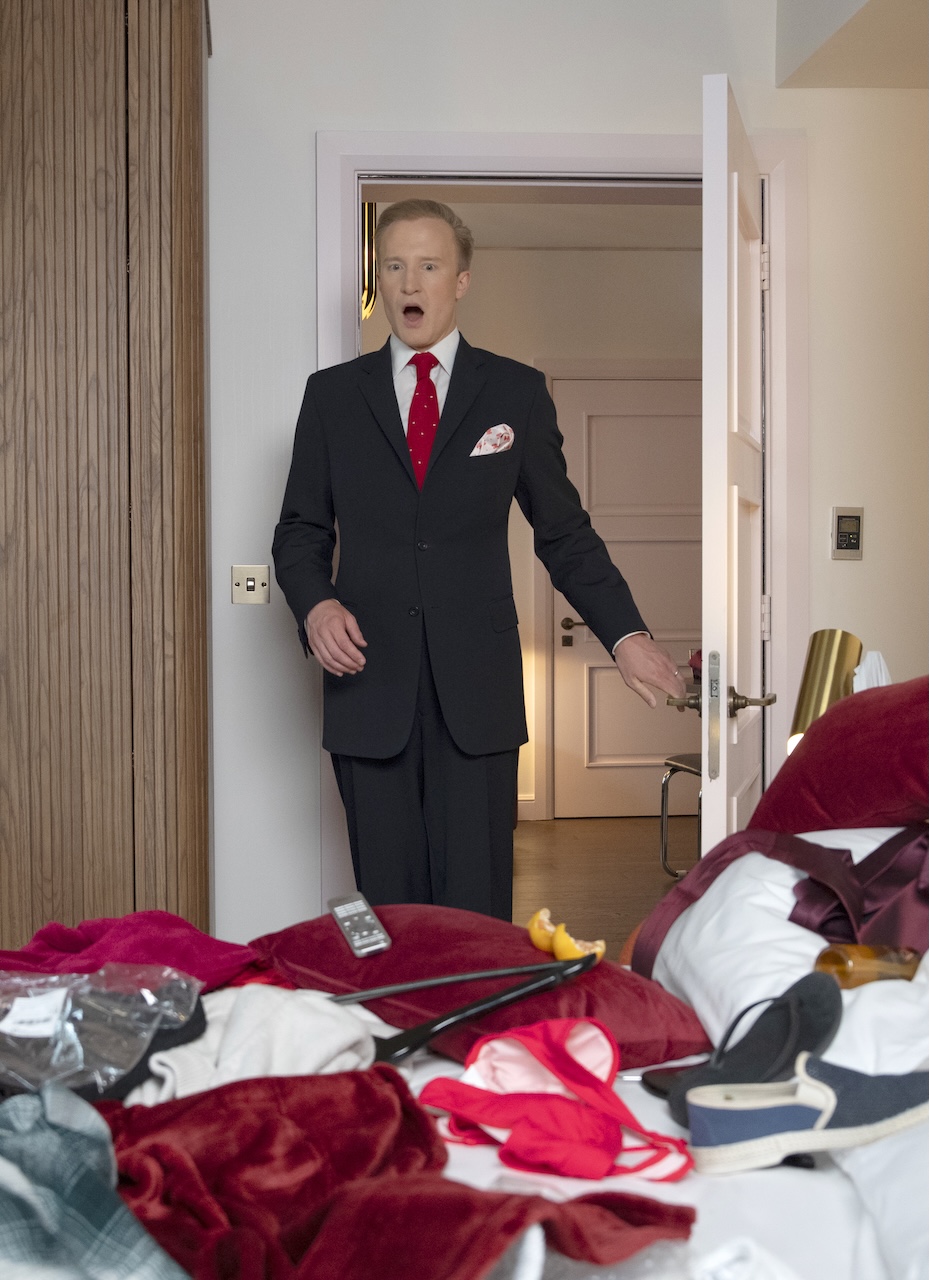
- Housekeeping Is Not an Archaeological Activity – A hotel room is not one’s private domain to abandon entirely. Keeping your space in reasonable order (not pristine, but certainly not chaotic) ensures that housekeeping can do their job efficiently.
- Lavation Gentility – The kettle, charmingly utilitarian as it is, exists for hot drinks only. Incredulously, some people attempt to use it for laundry, and they deserve to be cut off from society. Repurposing it for this is a step too far.
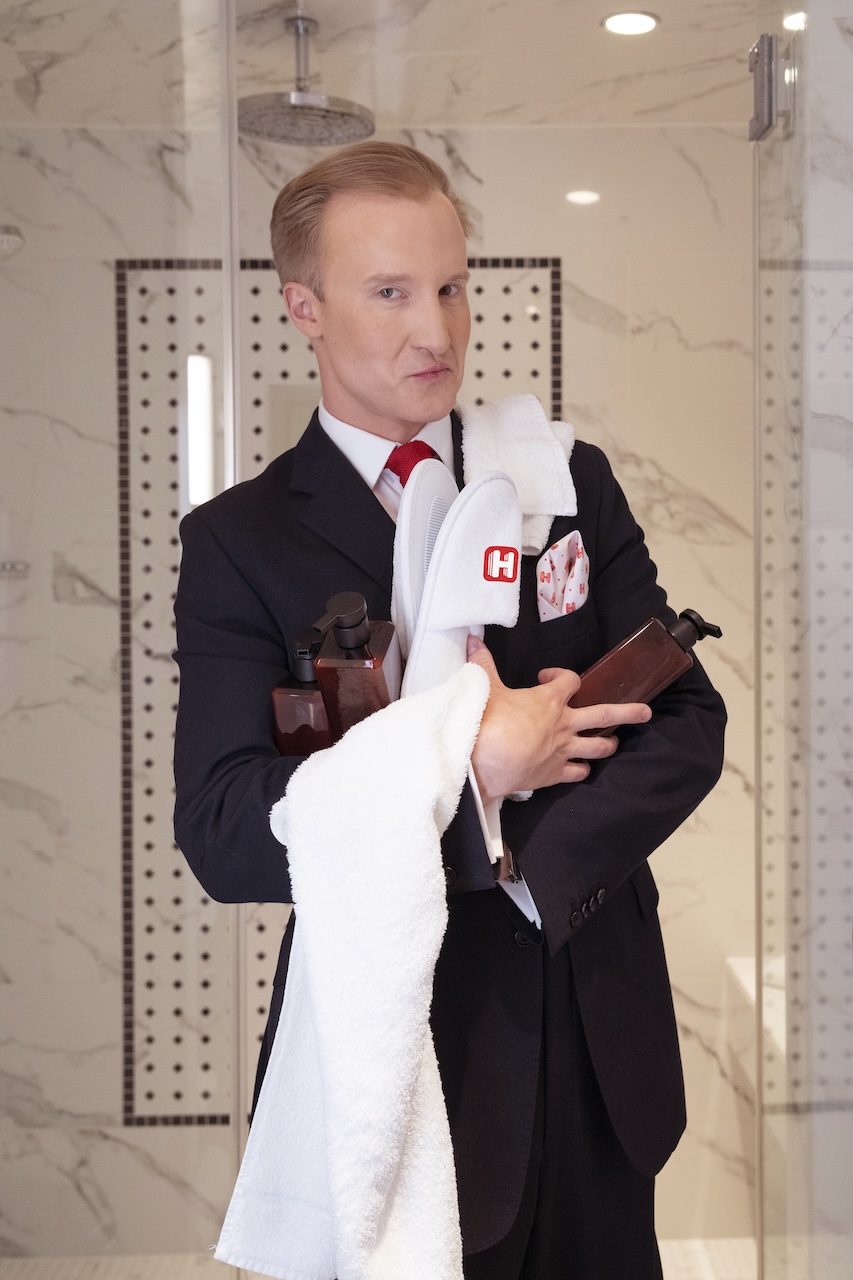
- Borrowing, Ownership, and Other Dangerous Assumptions – Hotels provide generously, but not without limits. Slippers and toiletries may accompany you home; larger items most certainly may not. Understanding this quiet distinction spares one both awkwardness and unnecessary charges.
- Marshalling One’s Morning Repast – The breakfast buffet is not a free-for-all, but a civilised ritual governed by the simple act of queuing. Waiting one’s turn may feel distinctly British, but it ensures order and ease for all.
- The Folly of Flag‑Planting by Towel – Placing a towel on a sun lounger at dawn and vanishing until mid-afternoon is a practice best left unadopted. A lounger is not secured by textile alone, but by presence.
- Loyalty, and Why It Gets One Further – A surprising number of travellers overlook the simple advantage of loyalty programmes. By consolidating bookings and collecting rewards, one quietly accumulates tangible benefits, like Hotels.com Rewards – earn £100 in Hotels.comCash after 10 eligible nights.
“Better hotel etiquette doesn’t just benefit others, it can directly enhance your own stay. At the heart of my guide with Hotels.com is the idea that small, thoughtful behaviours add up to big rewards: from a better night’s sleep and improved service to savings on future trips,” said William Hanson.
Whether it’s remembering to claim rewards on Hotels.com, resisting the urge to sneak extra croissants for later, or simply following Hanson’s expert tips, one thing is clear: better habits don’t just make you a better guest – they make your stay more rewarding.
Notes to editors
*Methodology
Third-party research was conducted by market research partner OnePoll in accordance with the Market Research Society’s Code of Conduct. The Study was conducted online among 2,000 U.K. adults who have stayed in a hotel.
The worst Hotel Etiquette Faux Pas according to Brits:
- Being rude to staff (51%)
- Being loud in the hallways or late at night (43%)
- Being drunk and annoying guests (39%)
- People smoking in rooms (33%)
- Leaving your room excessively messy (25%)
- Washing undergarments in the kettle (23%)
- Stealing items from the room (23%)
- Jumping the breakfast buffet queue (21%)
- Reserving pool chairs with towels for long periods (19%)
- Not collecting reward points (13%)
WILLIAM’S HANSON’S FULL GRAND ETIQUETTE HOTEL GUIDE: 10 TIPS TO REAP THE REWARDS DURING HOTEL STAYS
1. The Art of Engaging Staff with Dignity
Treat every member of staff, from the cleaner to the manager, with genuine respect and an open ear. A polite “hello” and a brief focused question or request, rather than a demanding tone, is key. This isn’t just about being nice; it’s about unlocking personalised service. Staff are far more likely to go the extra mile for a guest who treats them as valued individuals. You gain access to insider tips, bespoke recommendations, and a level of care that money alone cannot buy.
2. Halcyon Hallways (and the Virtue of Silence)
Corridors are not thoroughfares for celebration, but shared spaces requiring a degree of restraint. One should move through them quietly, particularly in the later hours, keeping voices low and footsteps gentle. By doing so, you preserve the calm for others and, crucially, ensure the same courtesy is extended to you. The reward is simple: uninterrupted rest, and a hotel experience that feels civilised rather than chaotic.
3. Libationary Lessons
A well-enjoyed drink need not become a public performance. Moderation is key, particularly in shared spaces where one’s behaviour is on quiet display. By remaining composed, you retain both dignity and control of your surroundings. The benefit is twofold: you avoid becoming tomorrow morning’s anecdote, and you ensure your evening remains pleasurable rather than regrettable, something both you and your fellow guests will appreciate.
4. On Burning Embers and Better Judgement
Hotel rooms are designed for comfort, not combustion. Lighting a cigarette indoors undermines both the space and the experience for future guests and inevitably results in penalties that could have been easily avoided. Exercising a little restraint by stepping outside preserves the integrity of the room and spares you an unnecessary charge. A small concession that keeps both conscience and bill entirely untroubled.
5. Housekeeping Is Not an Archaeological Activity
A hotel room is not one’s private domain to abandon entirely. Keeping your space in reasonable order (not pristine, but certainly not chaotic) ensures that housekeeping can do their job efficiently and discreetly. In return, your room is refreshed more thoroughly and with greater care. The result is a consistently pleasant environment – rather than one that feels as though it requires excavation.
6. Lavation Gentility
The kettle, charmingly utilitarian as it is, exists for hot drinks only. Incredulously, some people attempt to use it for laundry, and they deserve to be cut off from society. Repurposing it for this is a step too far. By keeping such matters confined to their proper place, you maintain standards not only for yourself, but for all who follow. The benefit is simple: one avoids embarrassment, preserves decorum, and ensures one’s cup of tea remains exactly as it should be.
7. Borrowing, Ownership, and Other Dangerous Assumptions
Hotels provide generously, but not without limits. Slippers and toiletries may accompany you home; larger items most certainly may not. Understanding this quiet distinction spares one both awkwardness and unnecessary charges. By taking only what is intended, you maintain propriety and leave with your reputation, and wallet, entirely whole.
8. Marshalling One’s Morning Repast
The breakfast buffet is not a free-for-all, but a civilised ritual governed by the simple act of queuing. Waiting one’s turn may feel distinctly British, but it ensures order and ease for all. In observing this small courtesy, you avoid friction, move more efficiently through the space, and begin the day on a note of calm rather than quiet competition.
9. The Folly of Flag‑Planting by Towel
Placing a towel on a sun lounger at dawn and vanishing until mid-afternoon is a practice best left unadopted. A lounger is not secured by textile alone, but by presence. By using spaces only when genuinely needed, you contribute to a more relaxed and equitable environment and, in turn, are far more likely to find one available when you actually wish to use it. Consideration, as usual, works very much in one’s favour.
10. Loyalty, and Why It Gets One Further
A surprising number of travellers overlook the simple advantage of loyalty programmes. By consolidating bookings and collecting rewards, one quietly accumulates tangible benefits, be that complimentary stays, upgrades, or added comforts. It is a small shift in behaviour with a disproportionately pleasing return. In short, loyalty is not merely virtuous; it is quietly lucrative.
About Hotels.com Rewards
- Eligible booking: travellers can reach their 10 eligible nights either in a single booking or across multiple stays in hotels or holiday homes available on Hotels.com, provided the average nightly cost in a booking is at least £75, including taxes and fees directly paid to Hotels.com and excluding any nights paid with Hotels.comCash™ or coupons.
- £100 in Hotels.comCash is added to the member account within 3-35 days after the 10th night stay. The Hotels.comCash is held as pending until the 10th night is stayed and confirmed.
- After the £100 in Hotels.comCash reward is added to the member’s account, they can choose how much to apply at checkout, using it all at once or spreading it across future stays, with any remaining balance kept in their account.
- VIP Access perks are subject to availability and they are tier-dependent. A perk is available to Silver, Gold and Platinum tiers, but perks such as room upgrades are only available to Gold and Platinum members.
- Member Prices are available on eligible properties. Terms and conditions apply – see here for details.
Find out more on Hotels.com Rewards.
FAQ
Why is Hotels.com talking about hotel etiquette?
The release links new UK consumer research commissioned by Hotels.com on hotel behaviour with a practical etiquette guide created with etiquette expert William Hanson to help travellers navigate modern hotel manners. The 10 tips are deliberately designed to reflect the power of small, consistent actions, mirroring the simplicity of Hotels.com’s rewards proposition: stay 10 eligible nights, and earn £100 in Hotels.comCash.
What did the hotel etiquette study find?
The study found that many Brits see themselves as considerate hotel guests, but still admit to common booking and in-stay mistakes, from entering the wrong number of guests to not collecting reward points. Hotels.com, which is launching a new loyalty programme in the UK offering £100 back after 10 eligible nights, highlights that missteps in the booking stage could be costing travellers more than they realise.
How do travellers earn £100 in Hotels.comCash?
Travellers booking on Hotels.com can earn £100 in Hotels.comCash after 10 eligible nights, either in one booking or across multiple stays, subject to the programme terms.
Who is William Hanson?
William Hanson is the etiquette expert who partnered with Hotels.com on the guide ‘William Hanson’s Grand Etiquette Hotel Guide: 10 Tips to Reap the Rewards During Hotel Stays’.
What hotel behaviour do Brits dislike most?
According to research commissioned by Hotels.com, being rude to staff ranks as the worst hotel etiquette faux pas among Brits, followed by being loud in hallways or late at night and being drunk and annoying other guests.
[1] Eligible booking: travellers can reach their 10 eligible nights either in a single booking or across multiple stays in hotels or holiday homes available on Hotels.com, provided the average nightly cost in a booking is at least £75, including taxes and fees and excluding any nights paid with Hotels.comCash™ or coupons.